05/03/2026
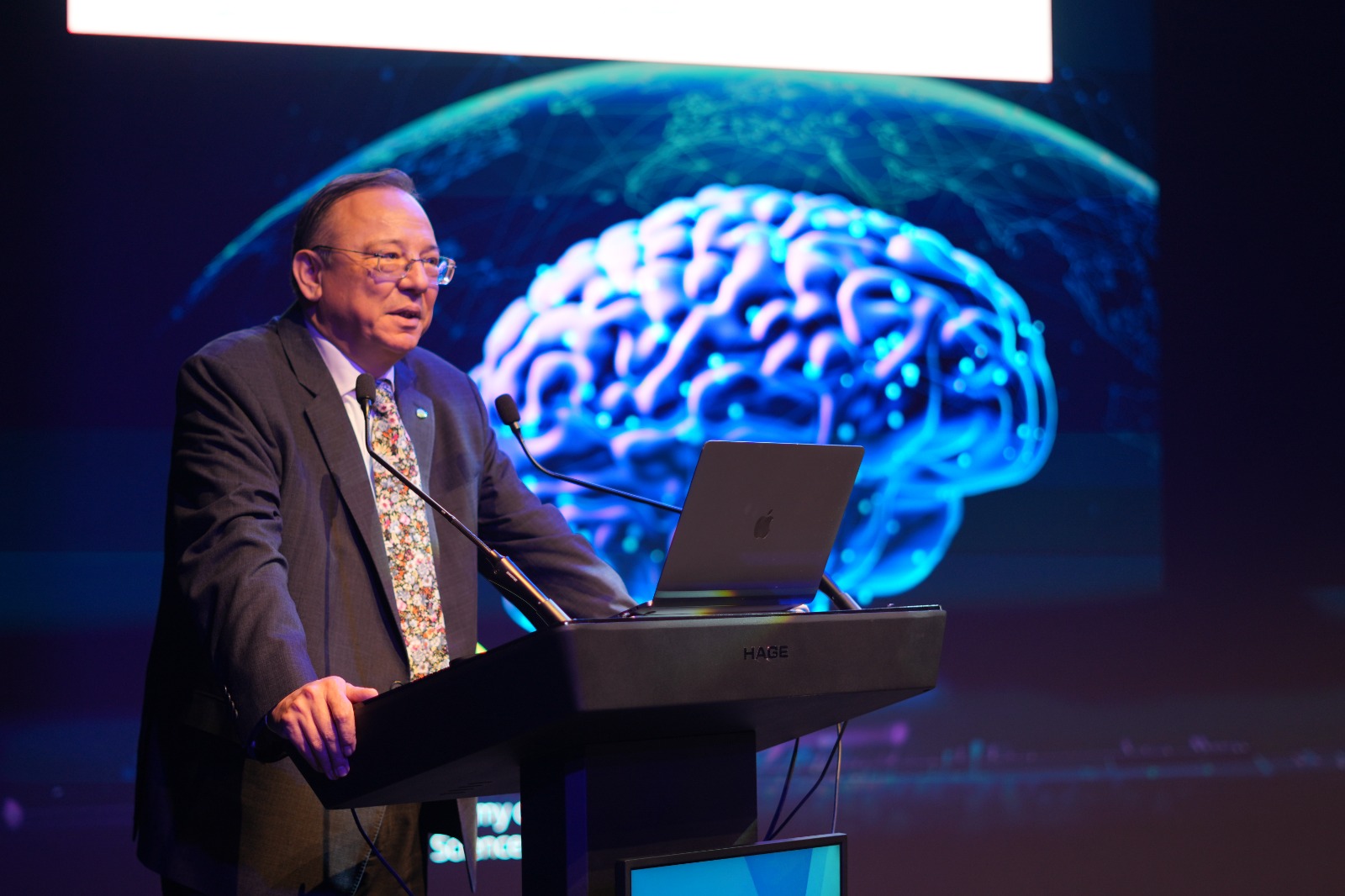
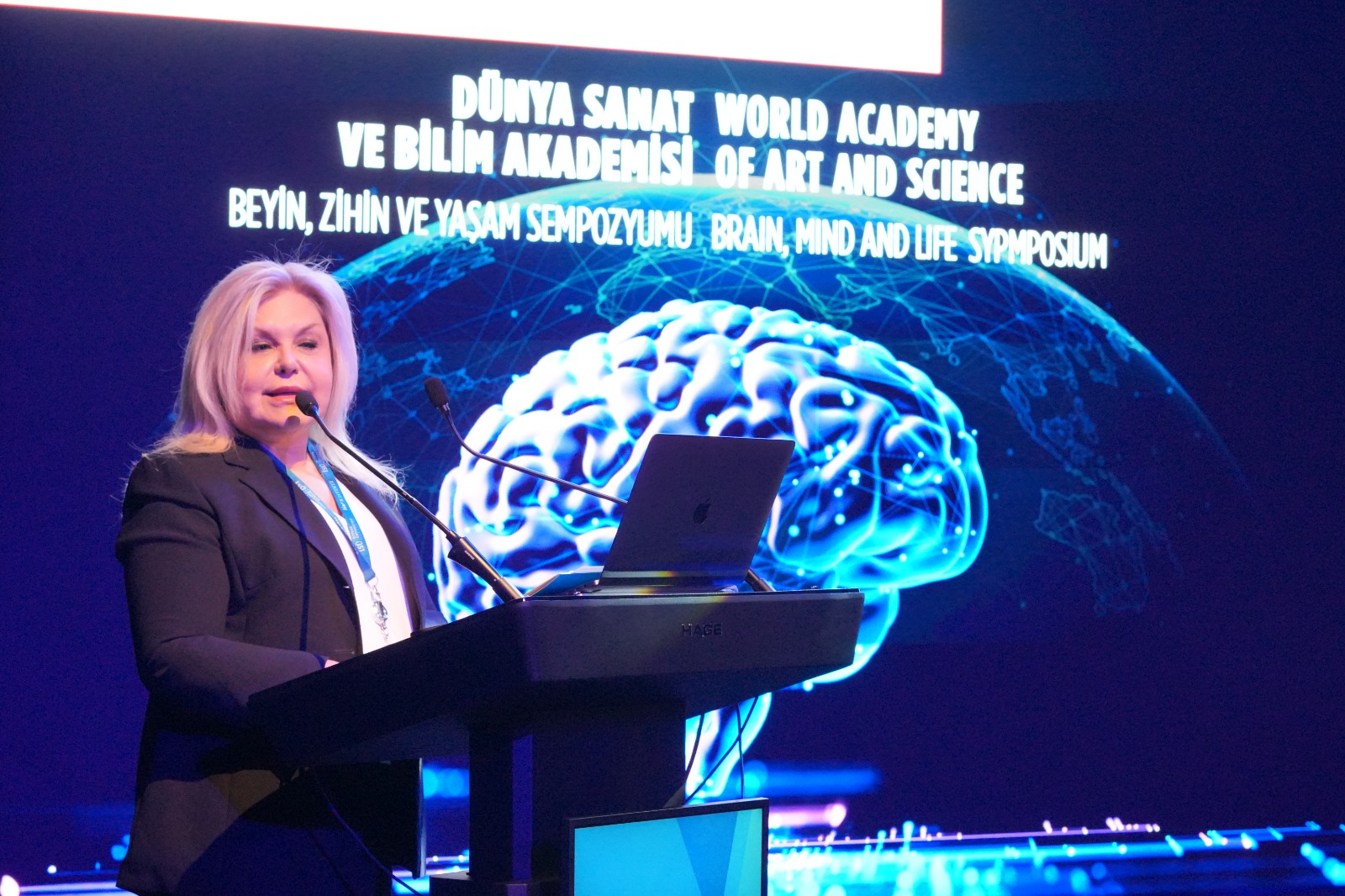
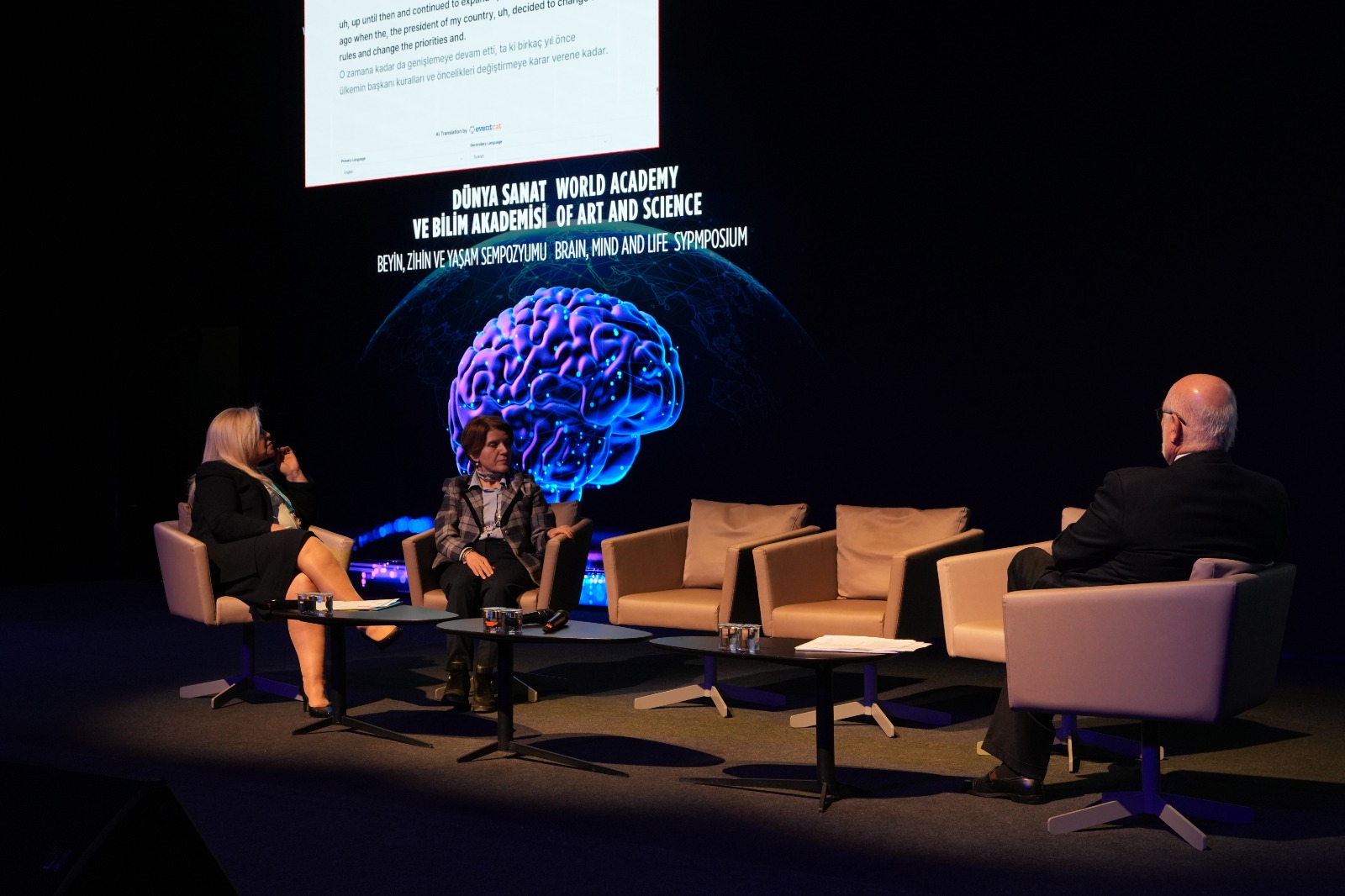
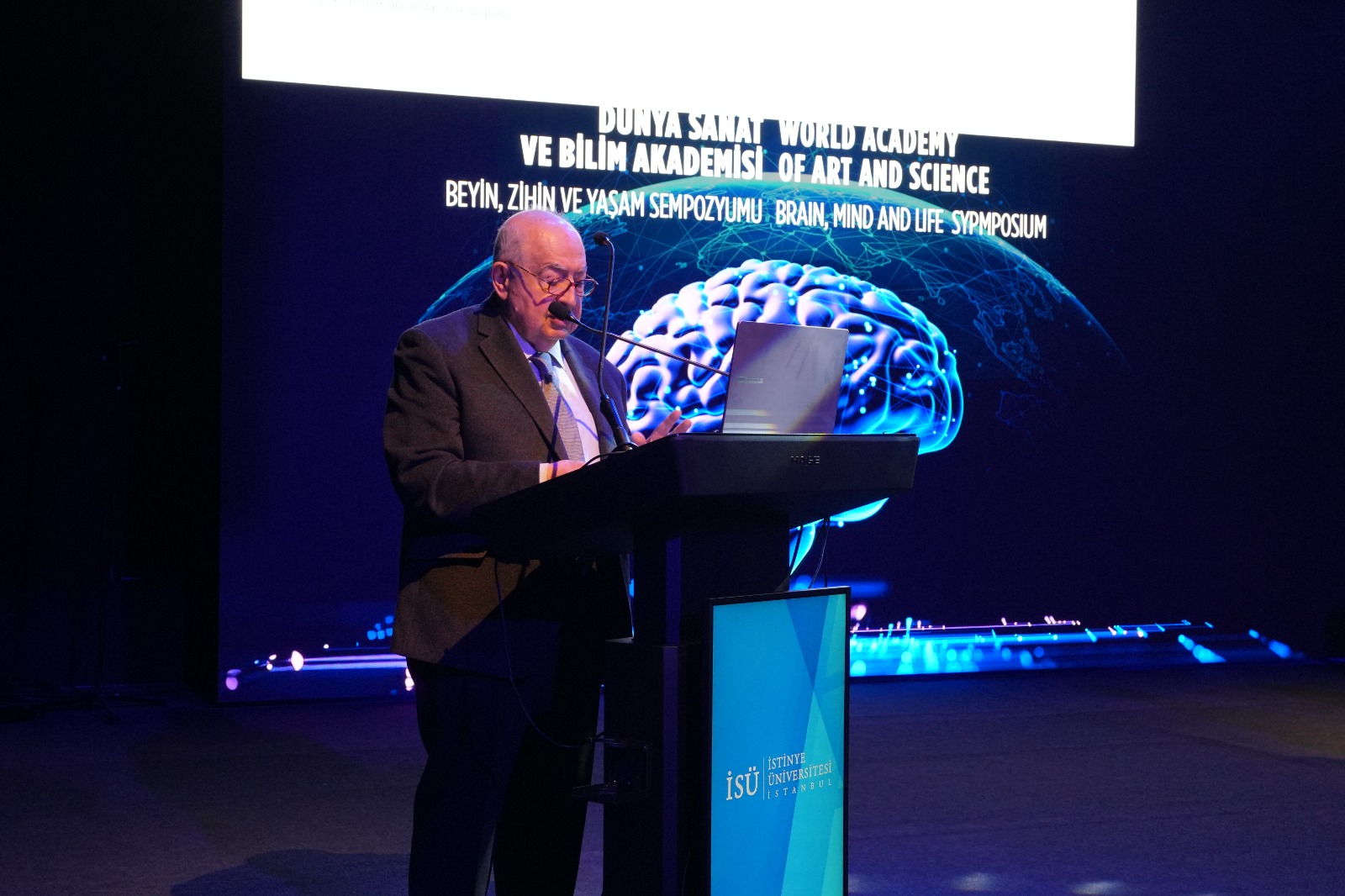
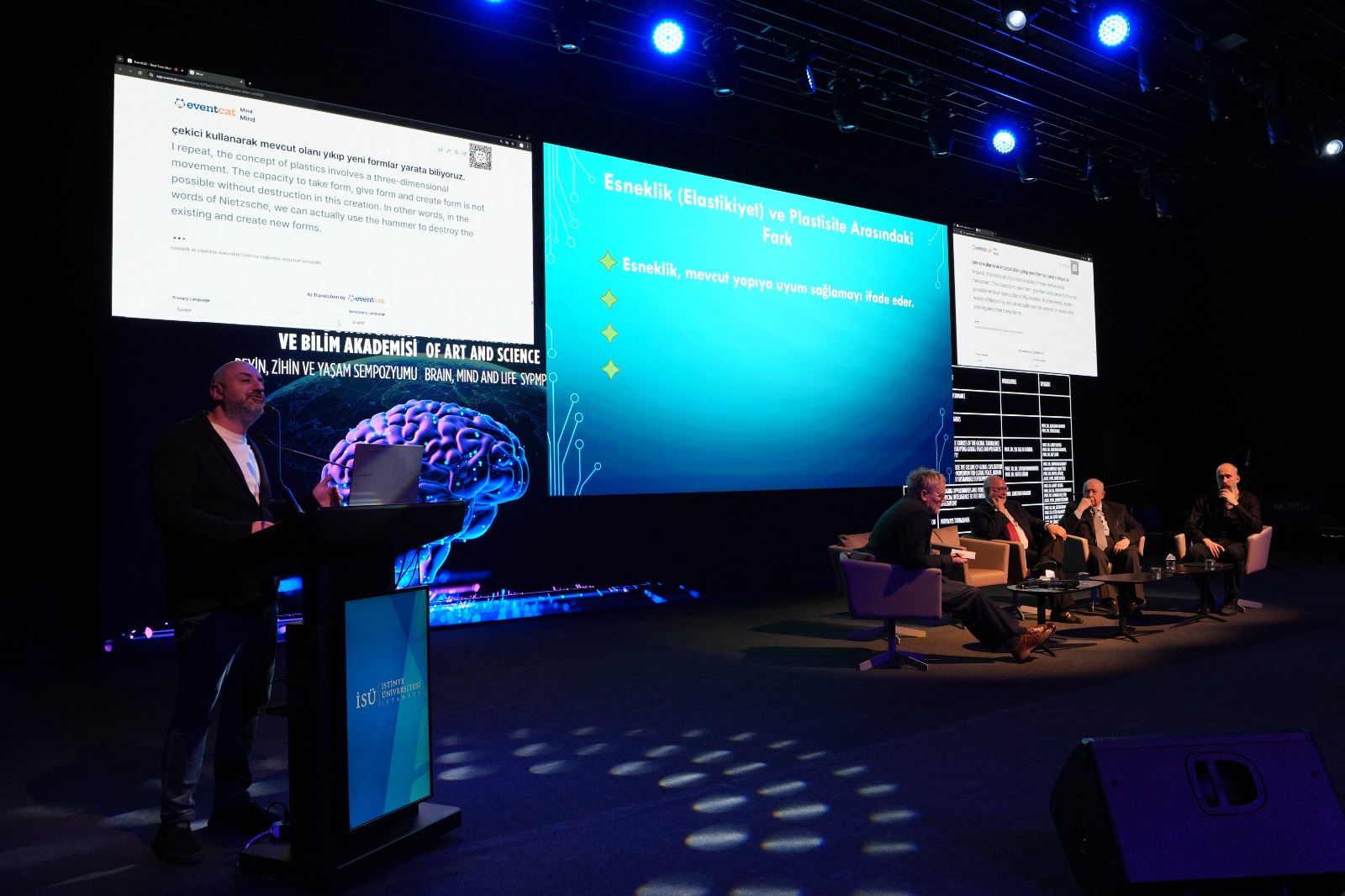
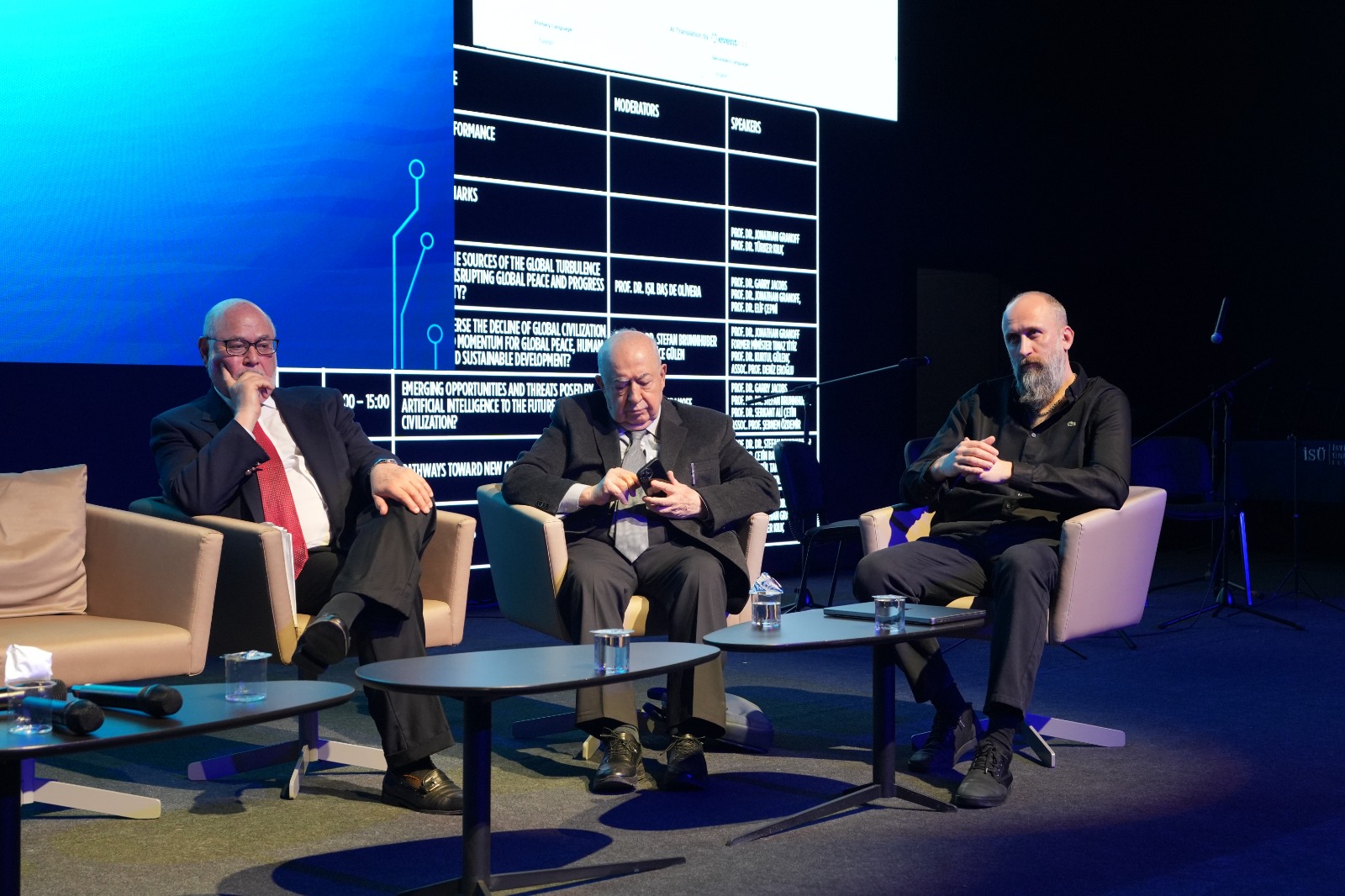
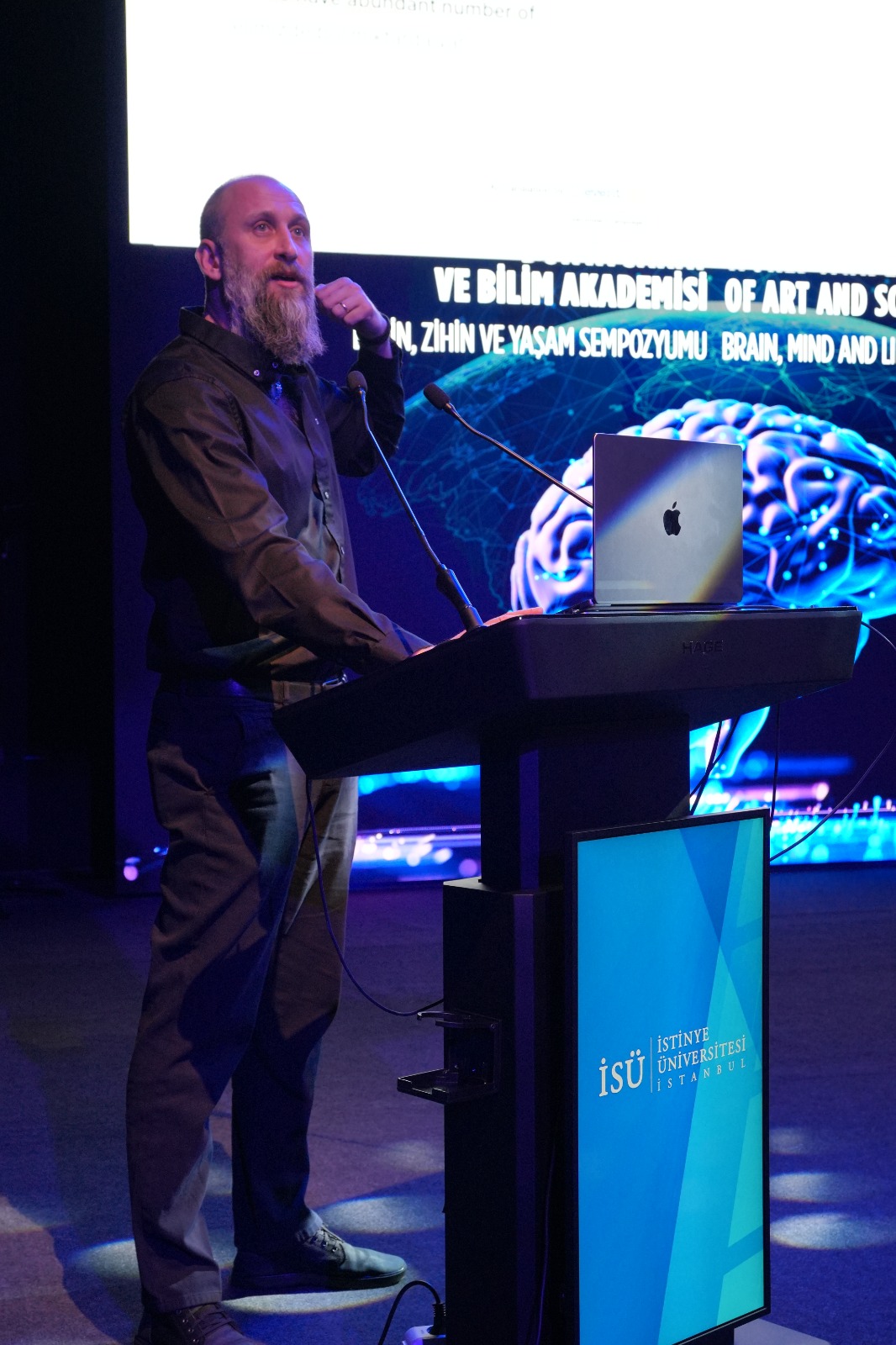
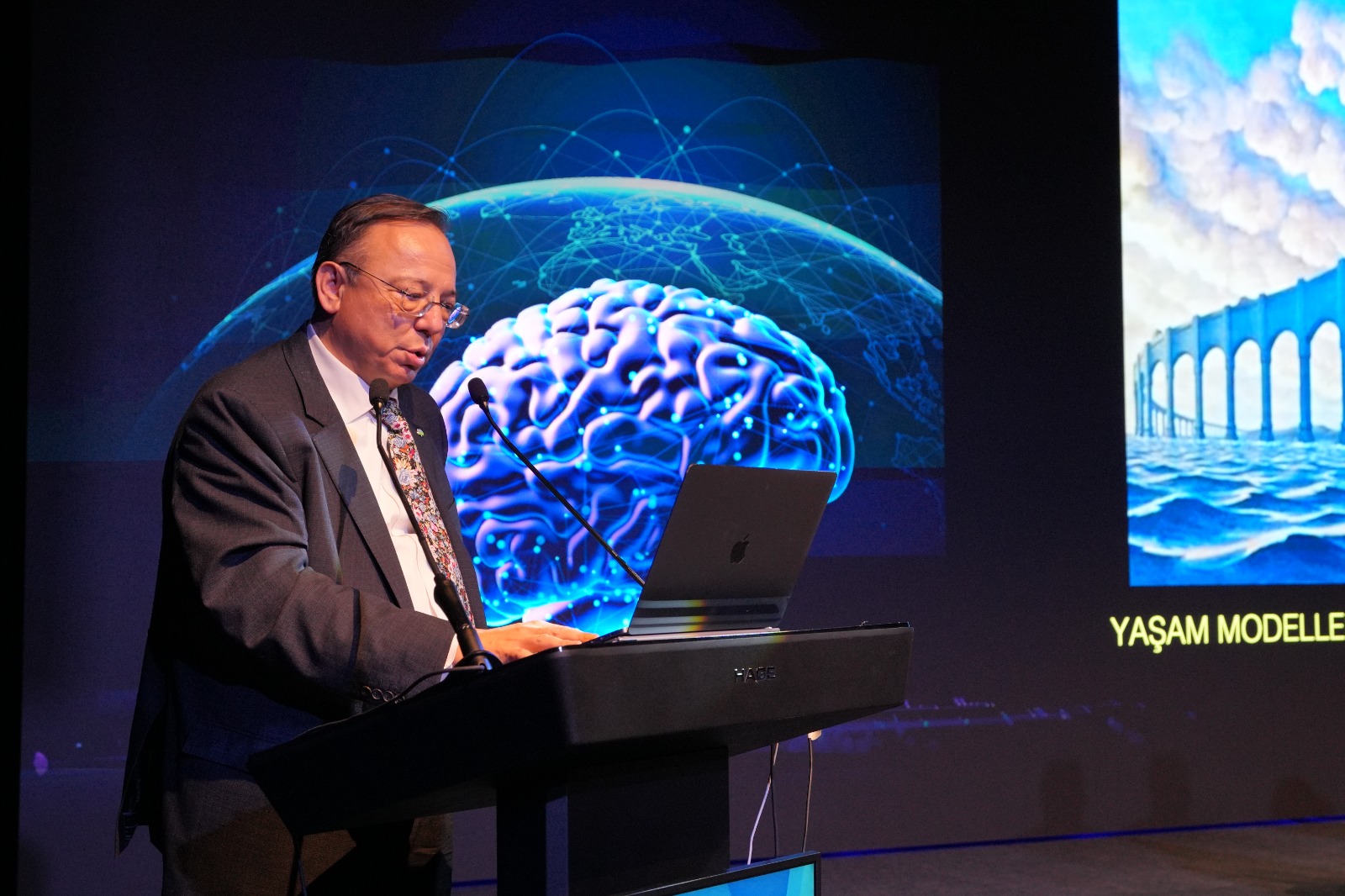
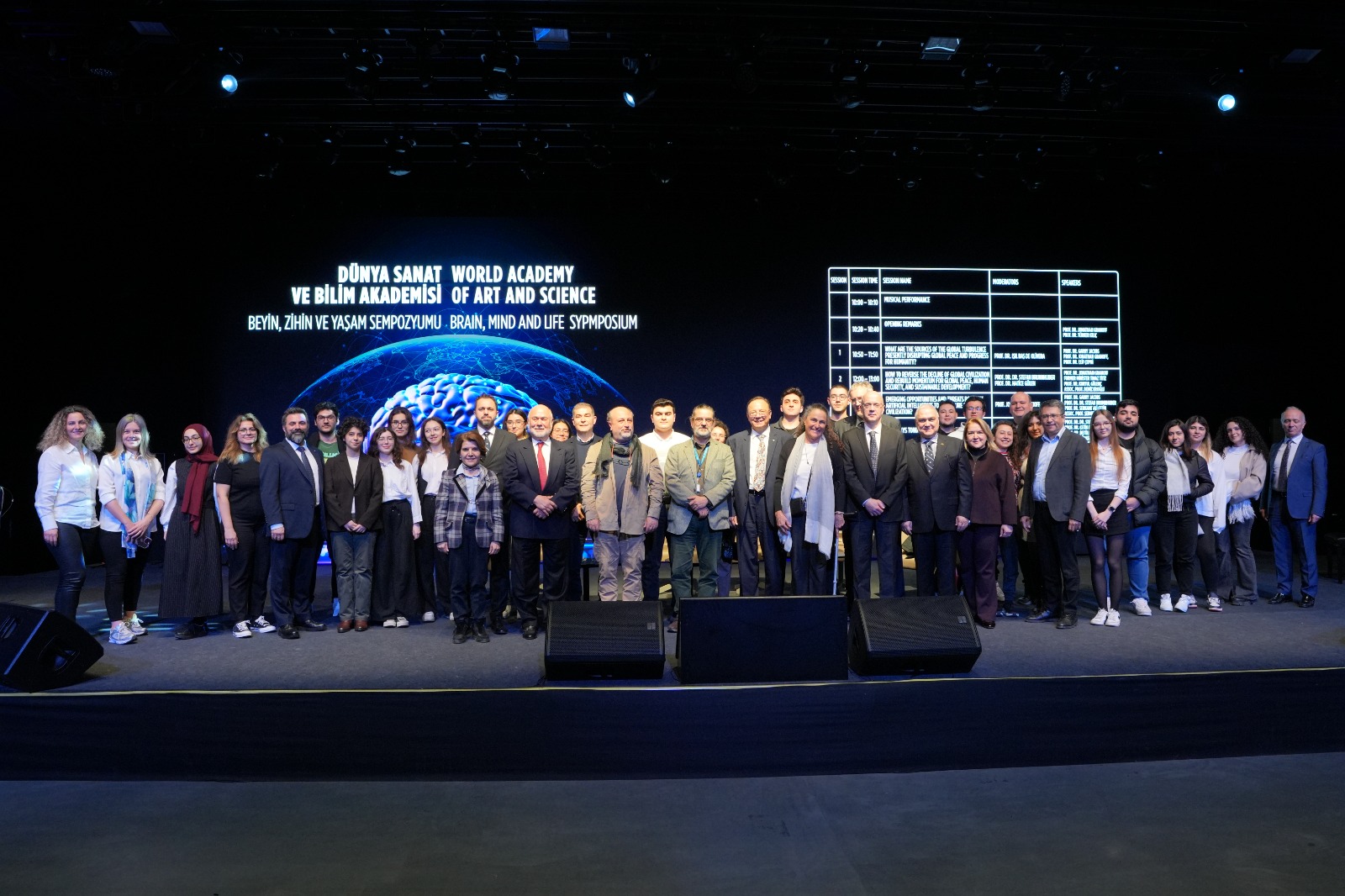
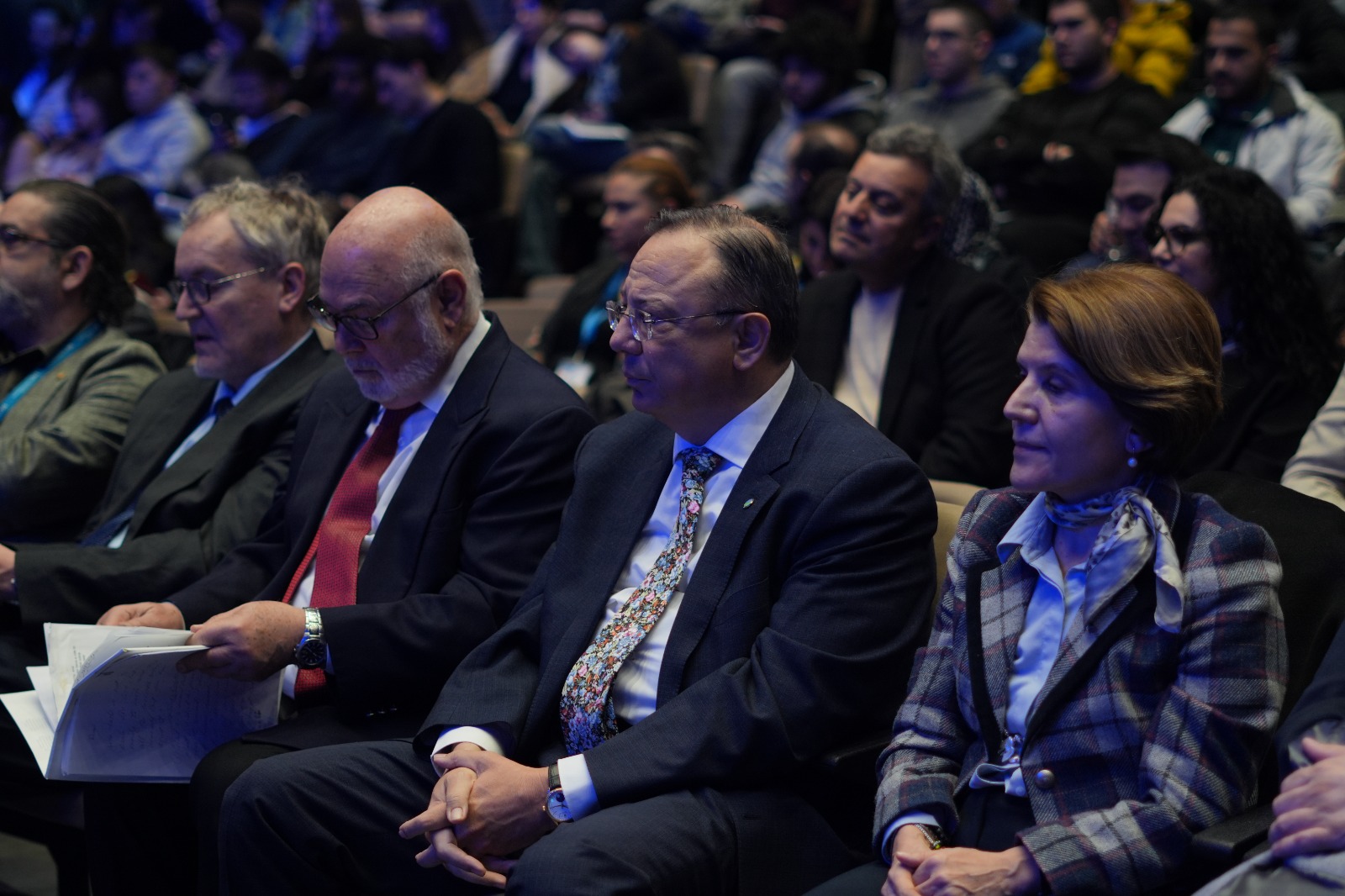
Our university hosted a major international event aimed at addressing the key challenges humanity faces from a scientific and intellectual perspective. The “Brain, Mind, and Life Symposium,” organized in collaboration with the World Academy of Art and Science, took place on March 5, 2026, at İstinye University Vadi Main Campus Congress Center. Bringing together scientists, academics, and thinkers from different countries, the symposium addressed critical issues shaping humanity’s future—such as global peace, sustainable development, artificial intelligence, and new civilization models—from multiple perspectives.
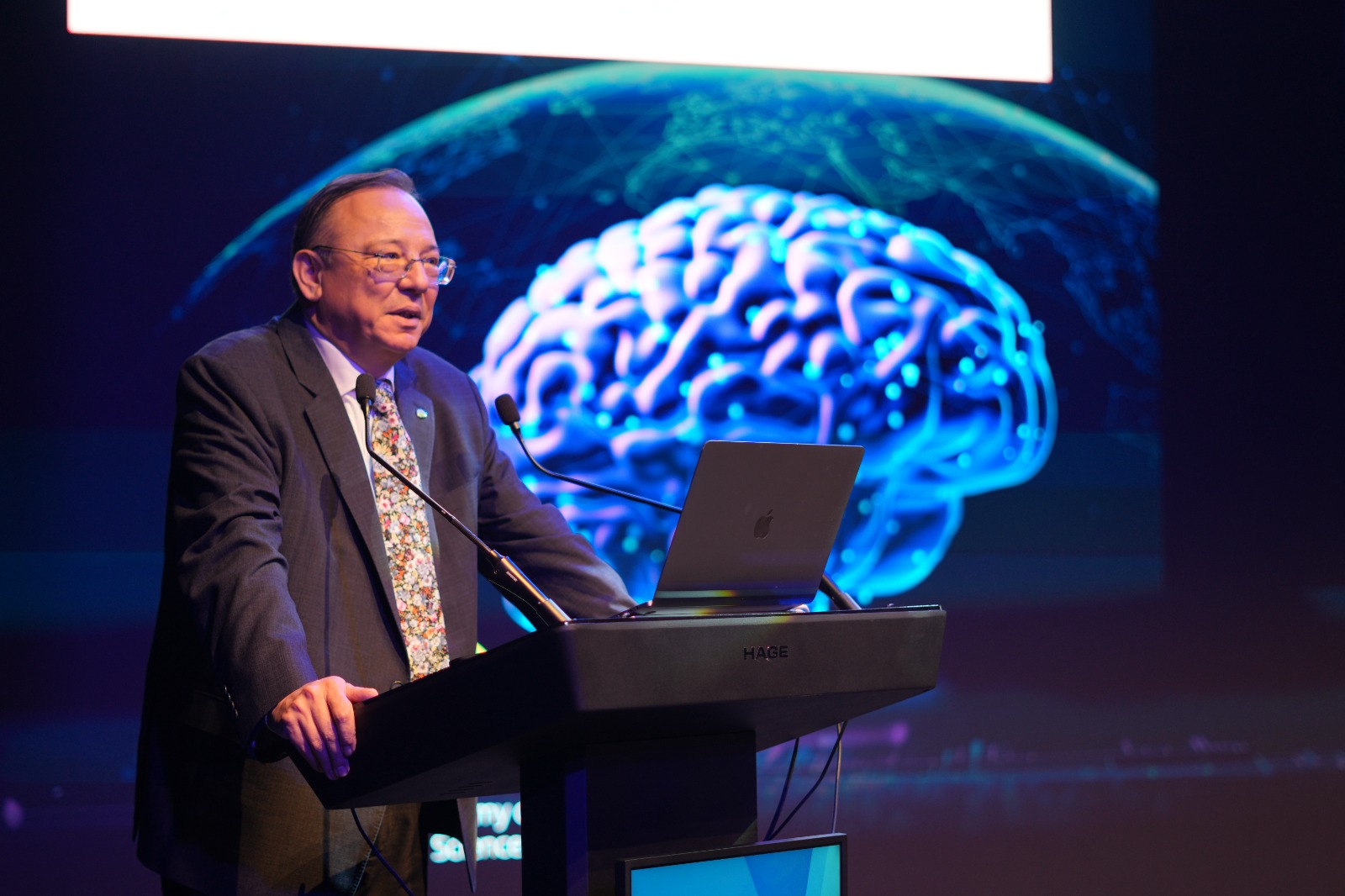
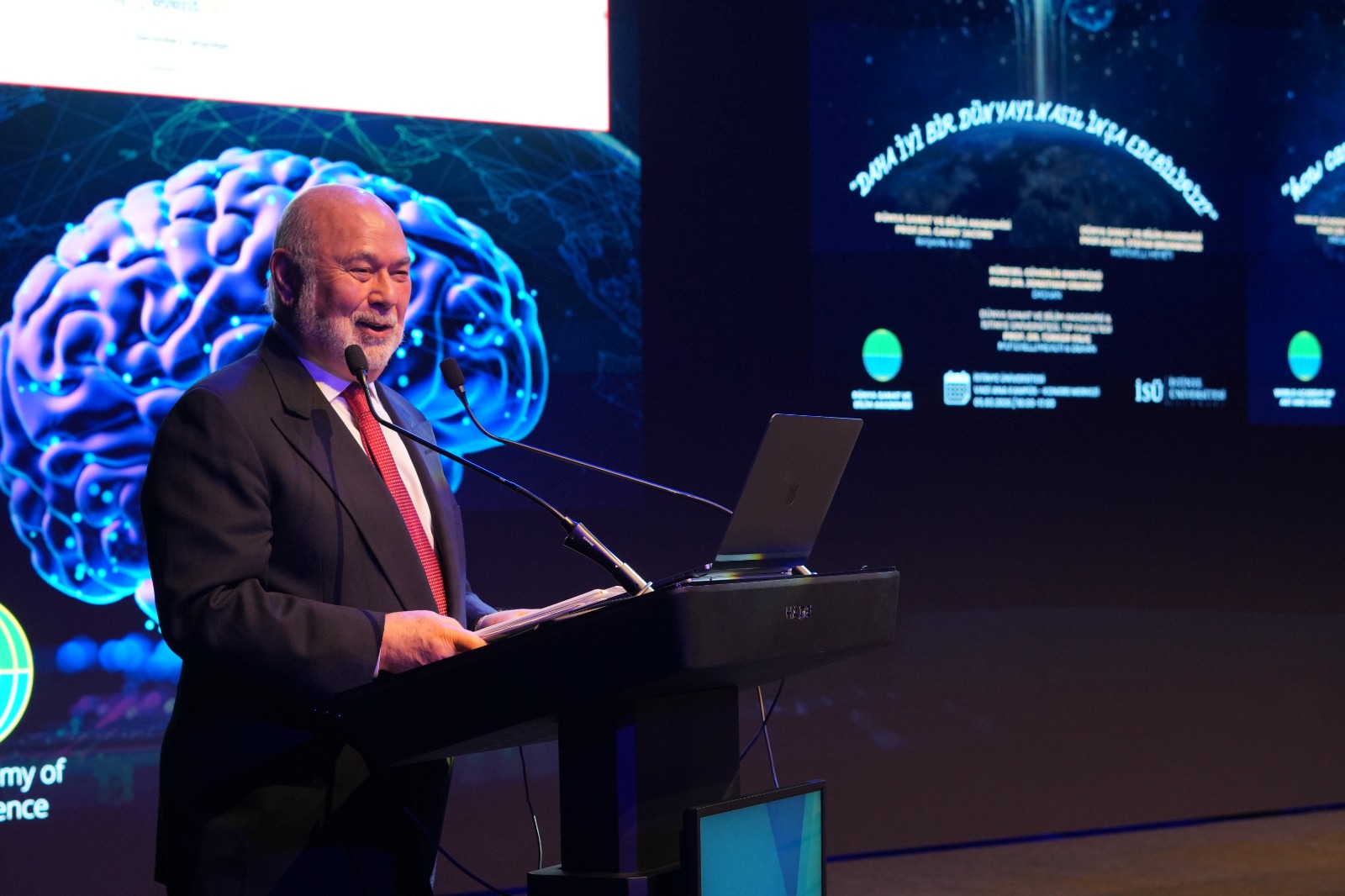
The opening speeches were delivered by our Faculty of Medicine Dean, Prof. Dr. Türker Kılıç, and the President of the Global Security Institute, Prof. Dr. Jonathan Granoff. They highlighted the growing complexity of global challenges today and emphasized the importance of interdisciplinary thinking and international academic collaboration in solving these problems.
Global Turbulence, Artificial Intelligence, and New Civilization Models Discussed
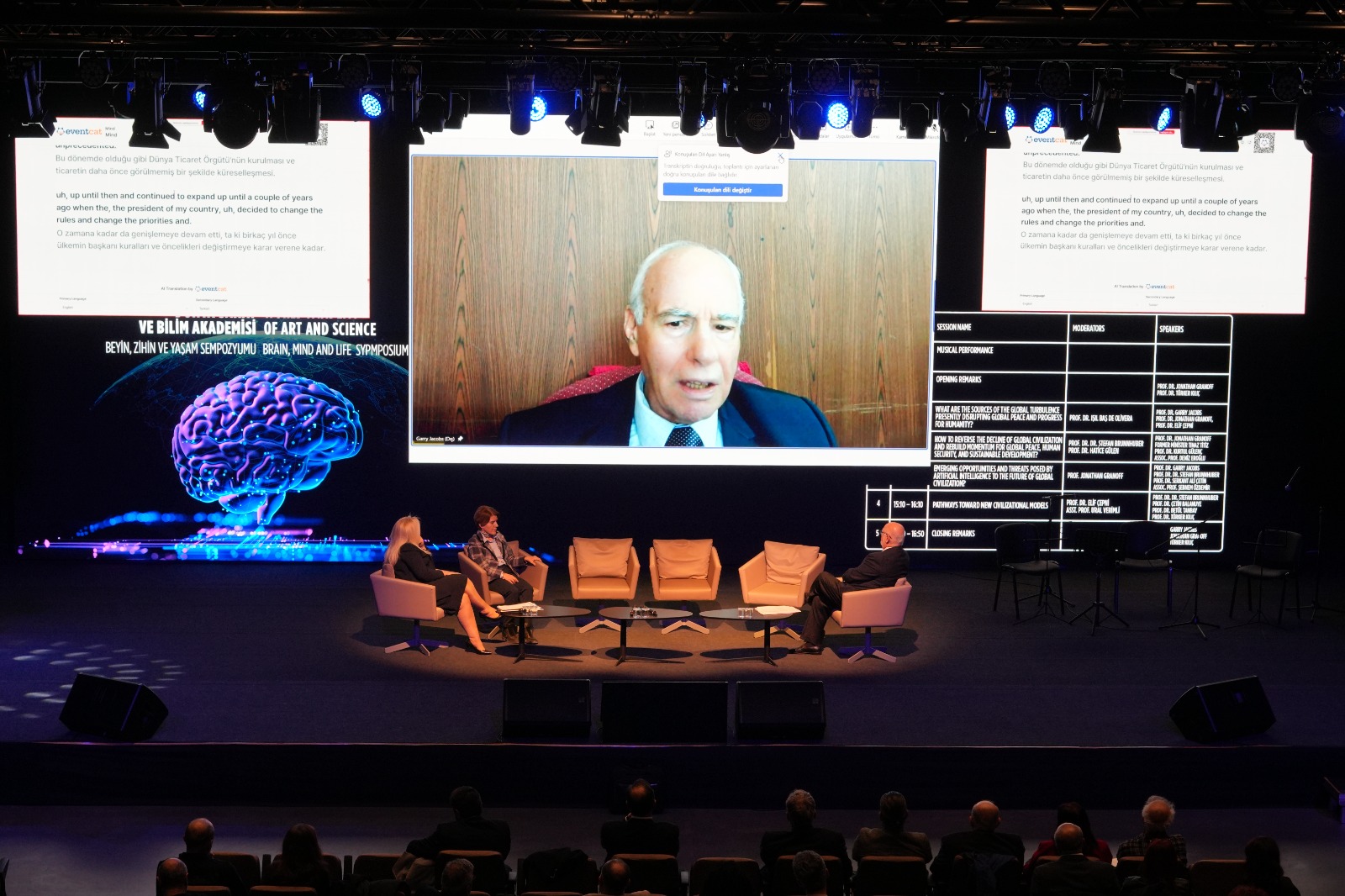
In the first session, titled “What are the sources of the global turbulence presently disrupting global peace and progress for humanity?”, participants examined the factors threatening global peace and human progress. Moderated by Prof. Dr. Işıl Baş De Oliveira, the session featured insights from Prof. Dr. Garry Jacobs, President and CEO of the World Academy of Art and Science, Prof. Dr. Jonathan Granoff, and Prof. Dr. Elif Çepni.
The second session, “How to reverse the decline of global civilization and rebuild momentum for global peace, human security, and sustainable development?”, focused on reversing the current decline in global civilization and revitalizing sustainable development efforts. Moderated by Prof. Dr. Dr. Stefan Brunnhuber, Member of the World Academy of Art and Science Board of Trustees, and Prof. Dr. Hatice Gülen, the session included contributions from Prof. Dr. Jonathan Granoff, former Minister of Culture and Tourism Tınaz Titiz, Prof. Dr. Kurtul Gülenç, and Assoc. Prof. Dr. Deniz Eroğlu, who shared their perspectives on global peace, human security, and sustainability.
The third session addressed one of today’s most transformative fields: artificial intelligence. Under the theme “Emerging opportunities and threats posed by Artificial Intelligence to the future of global civilization?”, the panel explored both the opportunities and risks AI presents for humanity. Moderated by Prof. Dr. Jonathan Granoff, speakers Prof. Dr. Garry Jacobs, Prof. Dr. Dr. Stefan Brunnhuber, Prof. Dr. Serkant Ali Çetin, and Assoc. Dr. Şebnem Özdemir discussed AI’s transformative impact on areas ranging from knowledge production to governance models.
The final session, “Pathways Toward New Civilizational Models,” focused on innovative intellectual and institutional approaches for humanity’s future. Moderated by Prof. Dr. Elif Çepni and Dr. Ural Verimli, speakers Prof. Dr. Dr. Stefan Brunnhuber, Prof. Dr. Çetin Balanuye, Prof. Dr. Betül Tanbay, and Prof. Dr. Türker Kılıç explored new frameworks and transformative perspectives for building a more inclusive, fair, and sustainable global order.
The symposium concluded with closing remarks from Prof. Dr. Garry Jacobs, Prof. Dr. Jonathan Granoff, and Prof. Dr. Türker Kılıç.
Organized in collaboration with the World Academy of Art and Science, the Brain, Mind, and Life Symposium brought together scholars from diverse disciplines, providing valuable contributions to the scientific examination of global challenges and fostering discussions on a shared vision for the future of humanity.