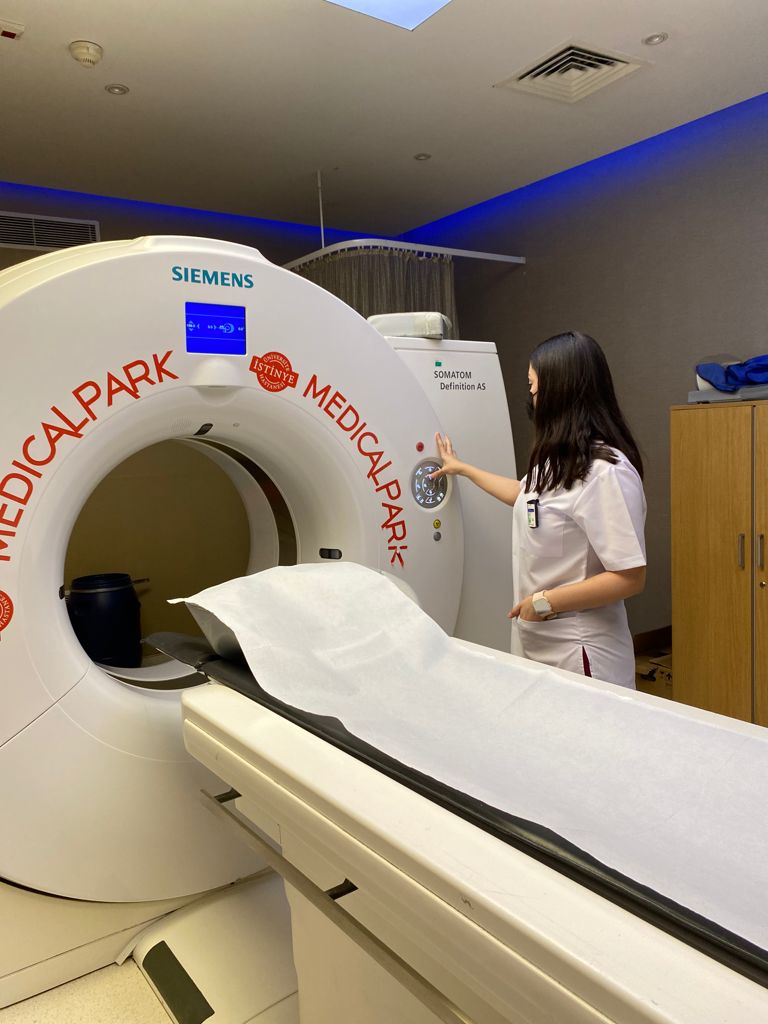
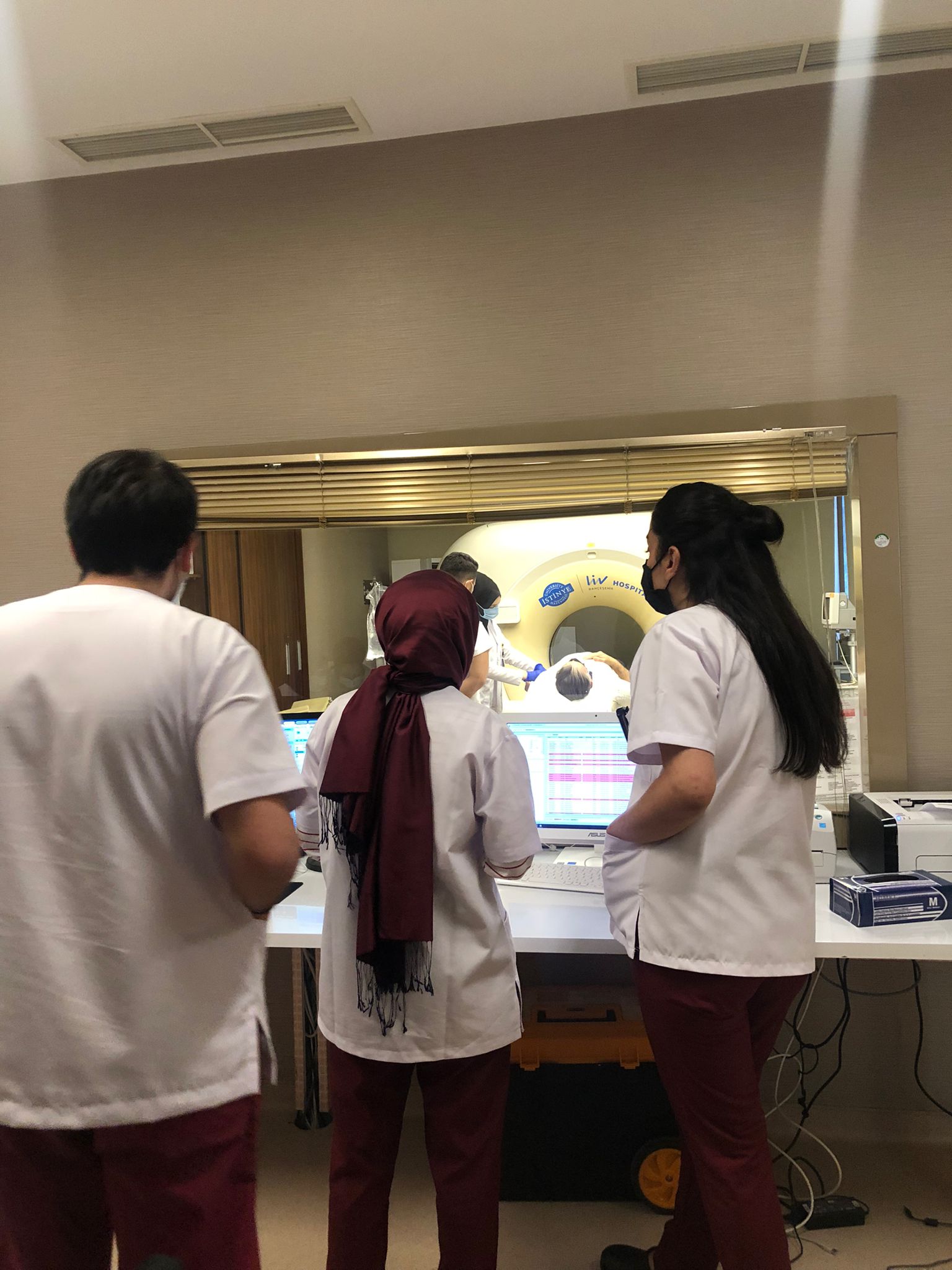
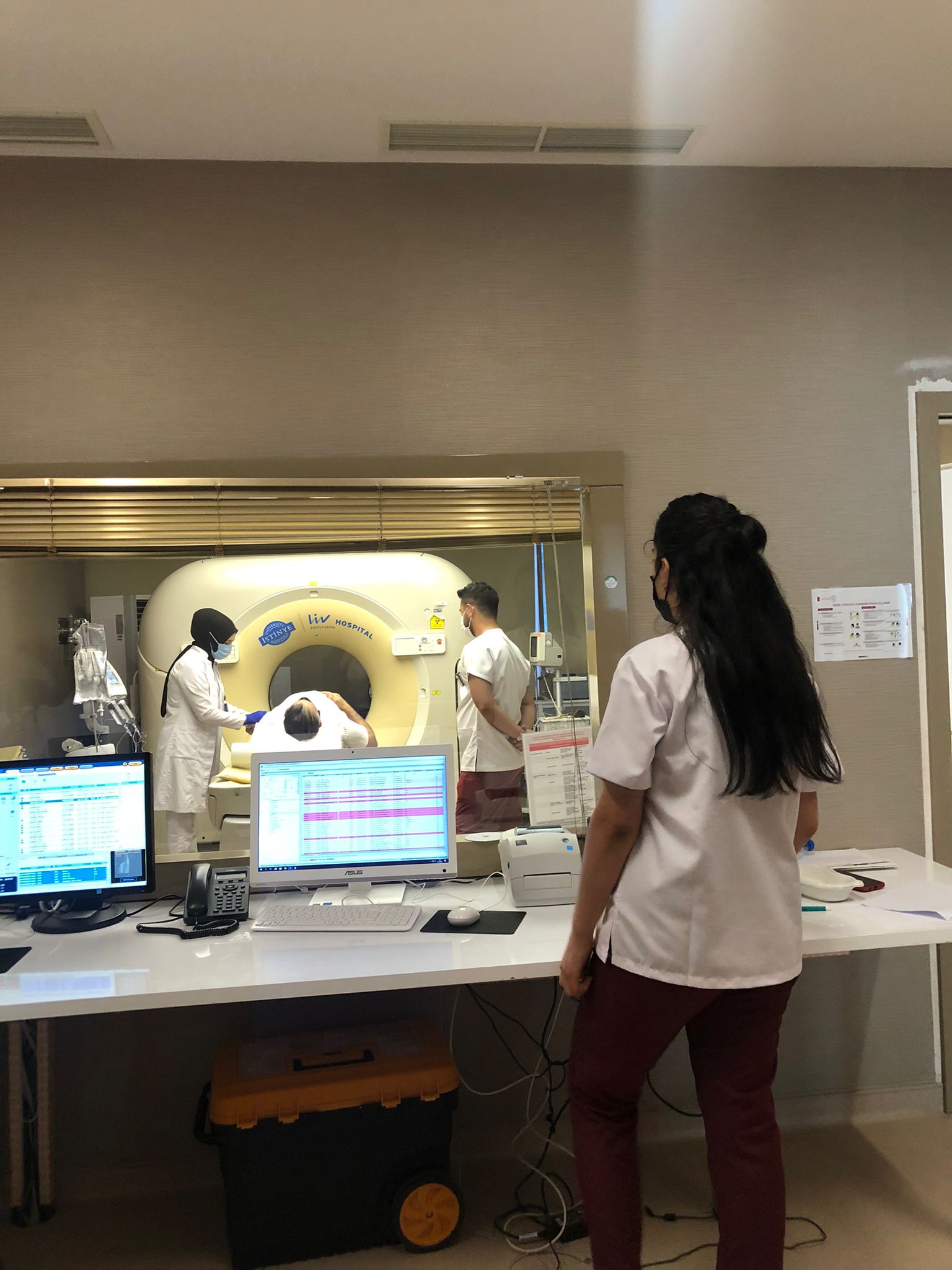
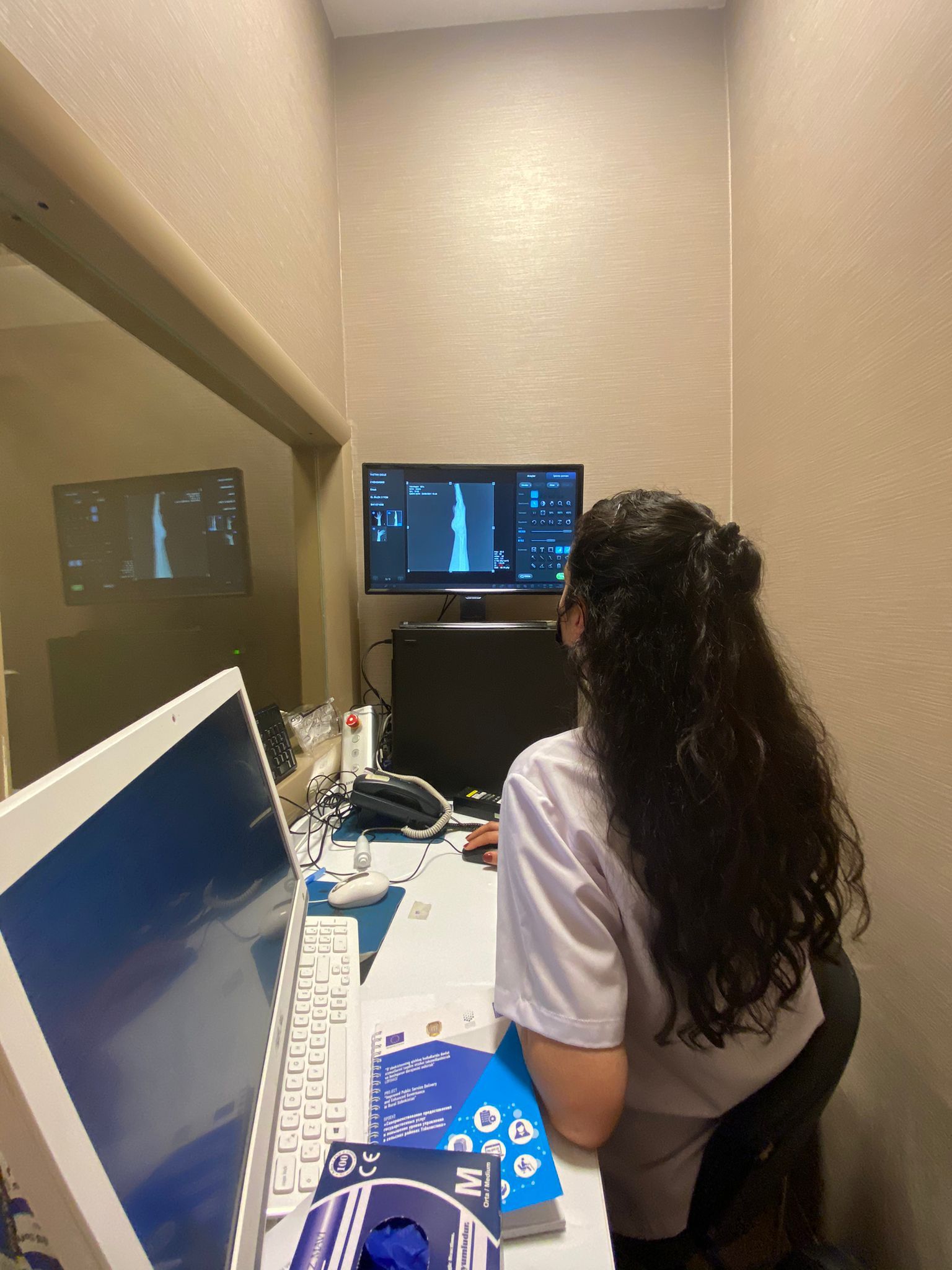
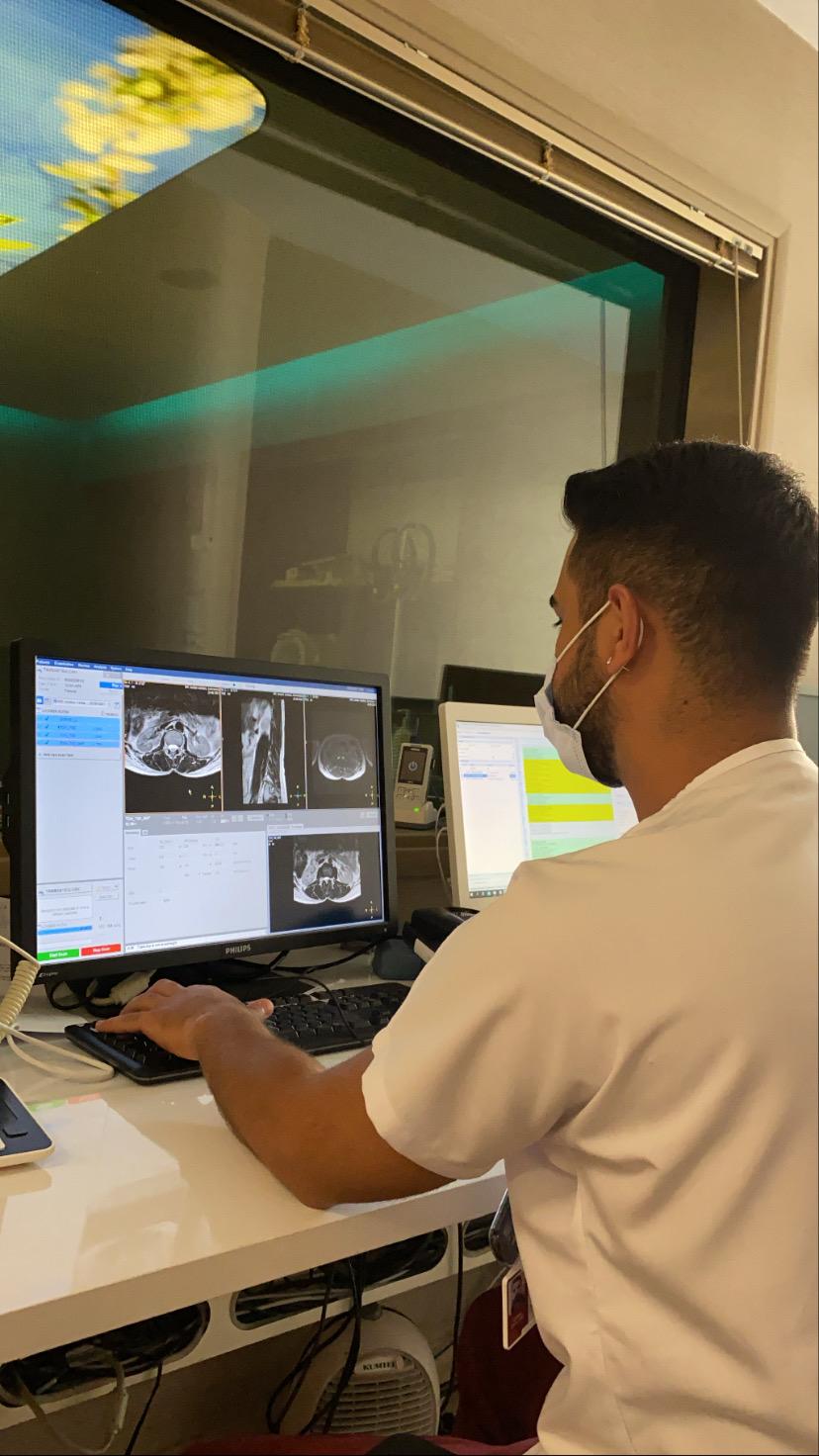
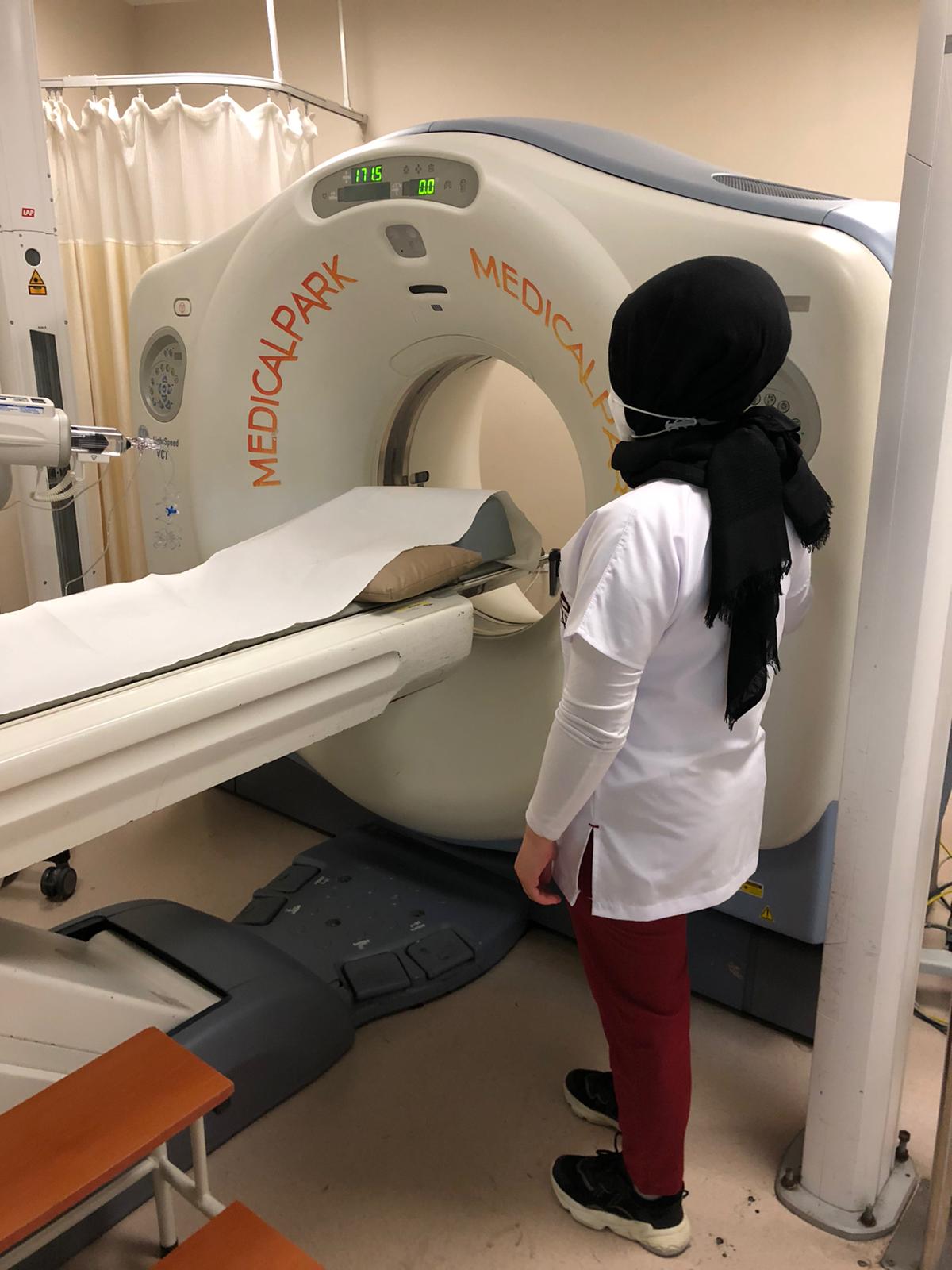
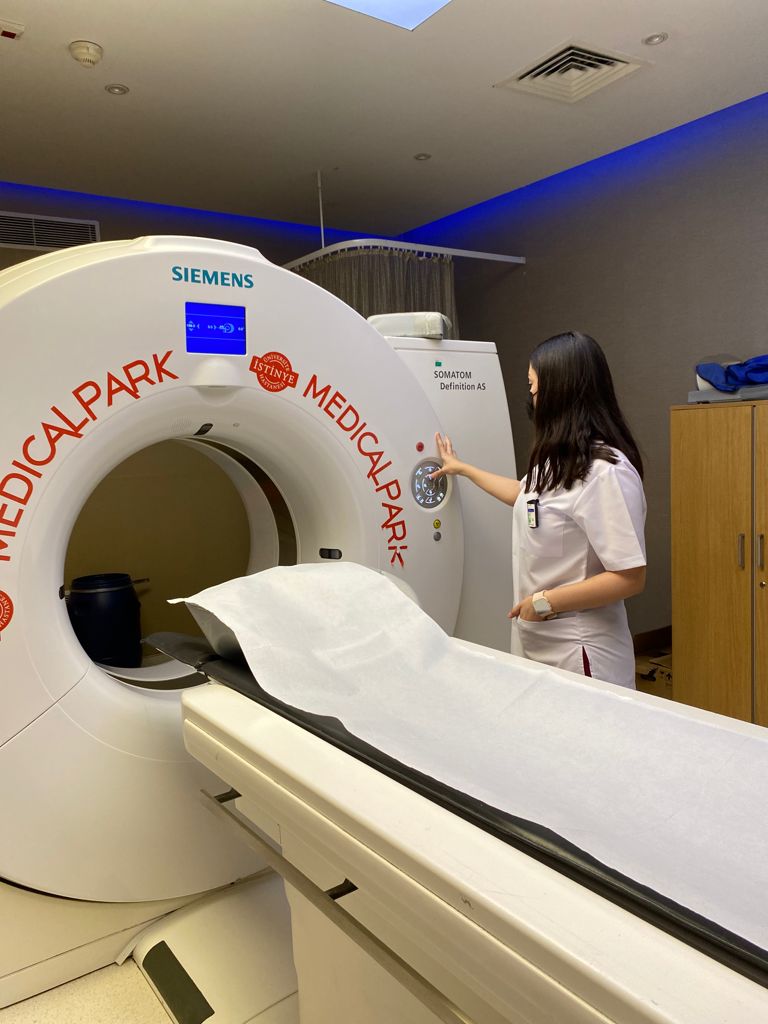
The purpose of the Medical Imaging Techniques Program is to train qualified health technicians, who use the examination and radiological imaging methods requested by the physicians, imaging the whole or a specified part of the patient's body and make them ready for interpretation.
As Istinye University Medical Imaging Program, we aim to prepare our students for business life in terms of technical equipment by including the most experienced specialists from Istinye University hospitals and the best educators in their fields. In addition, internship opportunities are provided to our students at İstinye University hospitals.
Our students who graduate from this program are given the title of "Radiology Technician". Today, almost every hospital in our country has a Radiology Department. In addition, the number of private imaging centers is increasing day by day. For this reason, the need for trained personnel in hospitals and private imaging centers is increasing.
Apart from public institutions, private hospitals, polyclinics, medical centers constitute a serious employment alternative for graduates of this program. They can work as trained assistant intermediate staff in public hospitals, private hospitals, public and foundation university medical faculties, medical centers, private imaging centers.
Departments that we can complete with the DGS: Nursing, Nursing and Health Services
Program Language: Turkish
Place of Education: Topkapı Campus
Score Type: TYT
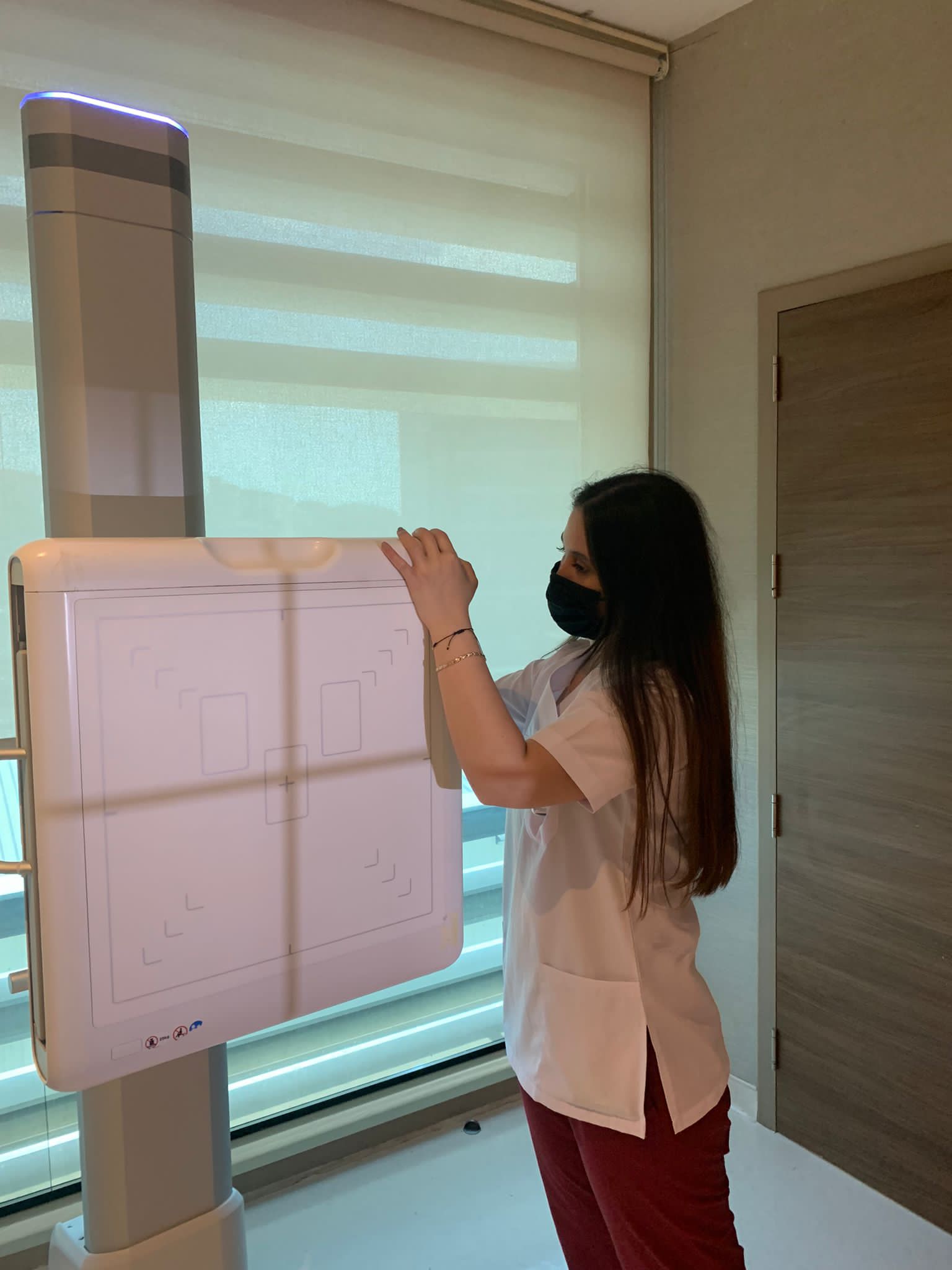
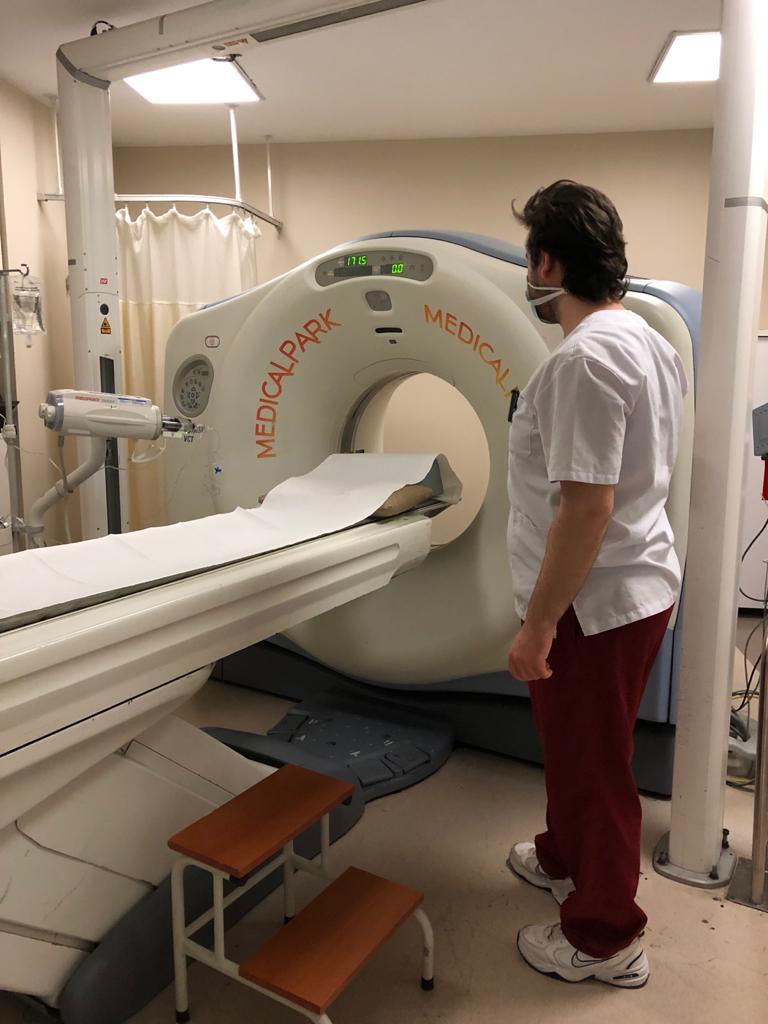
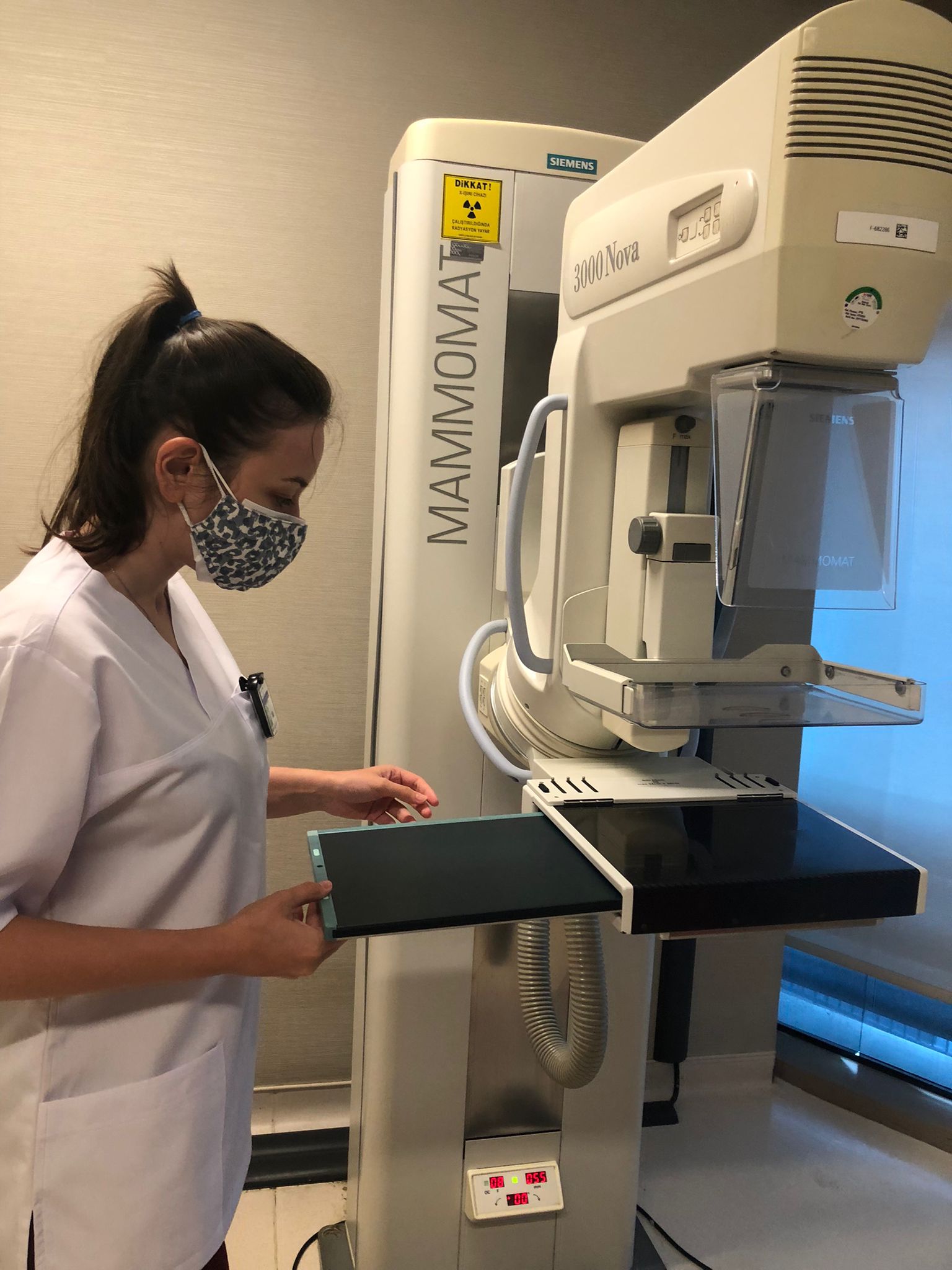
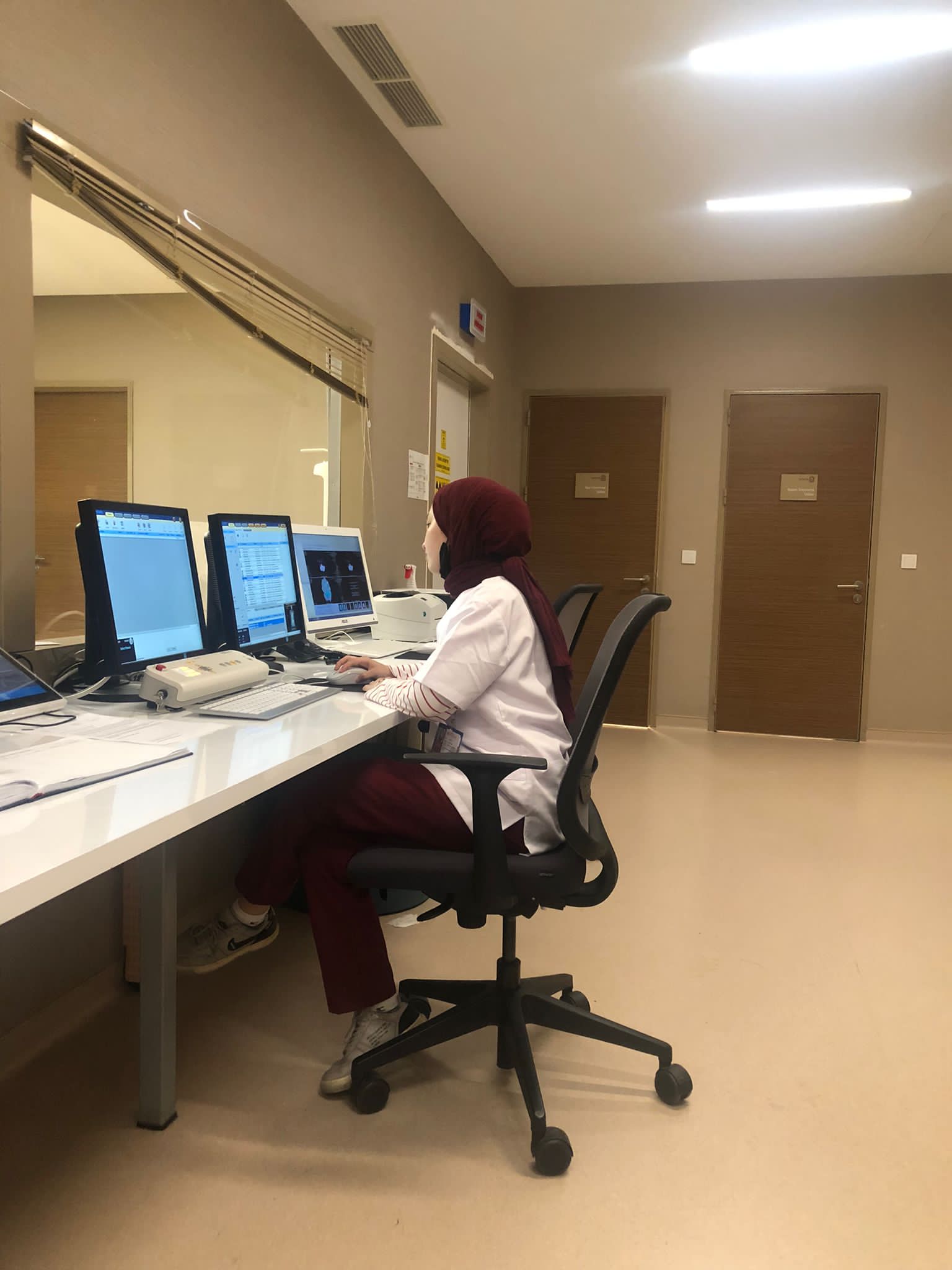
Gallery
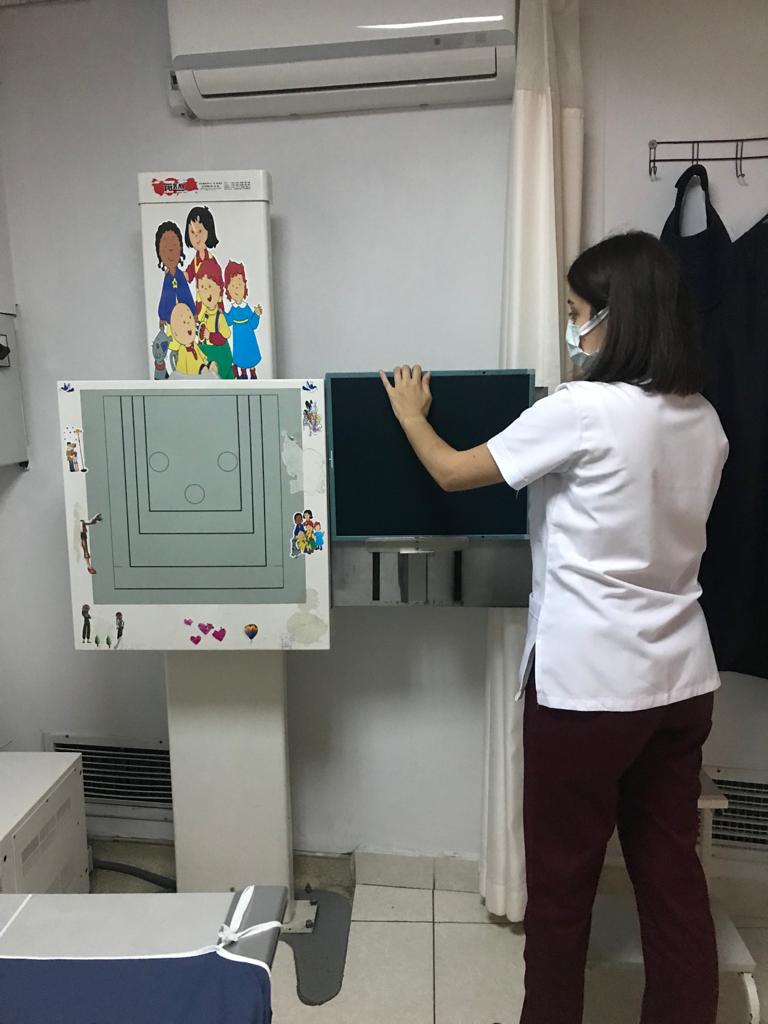
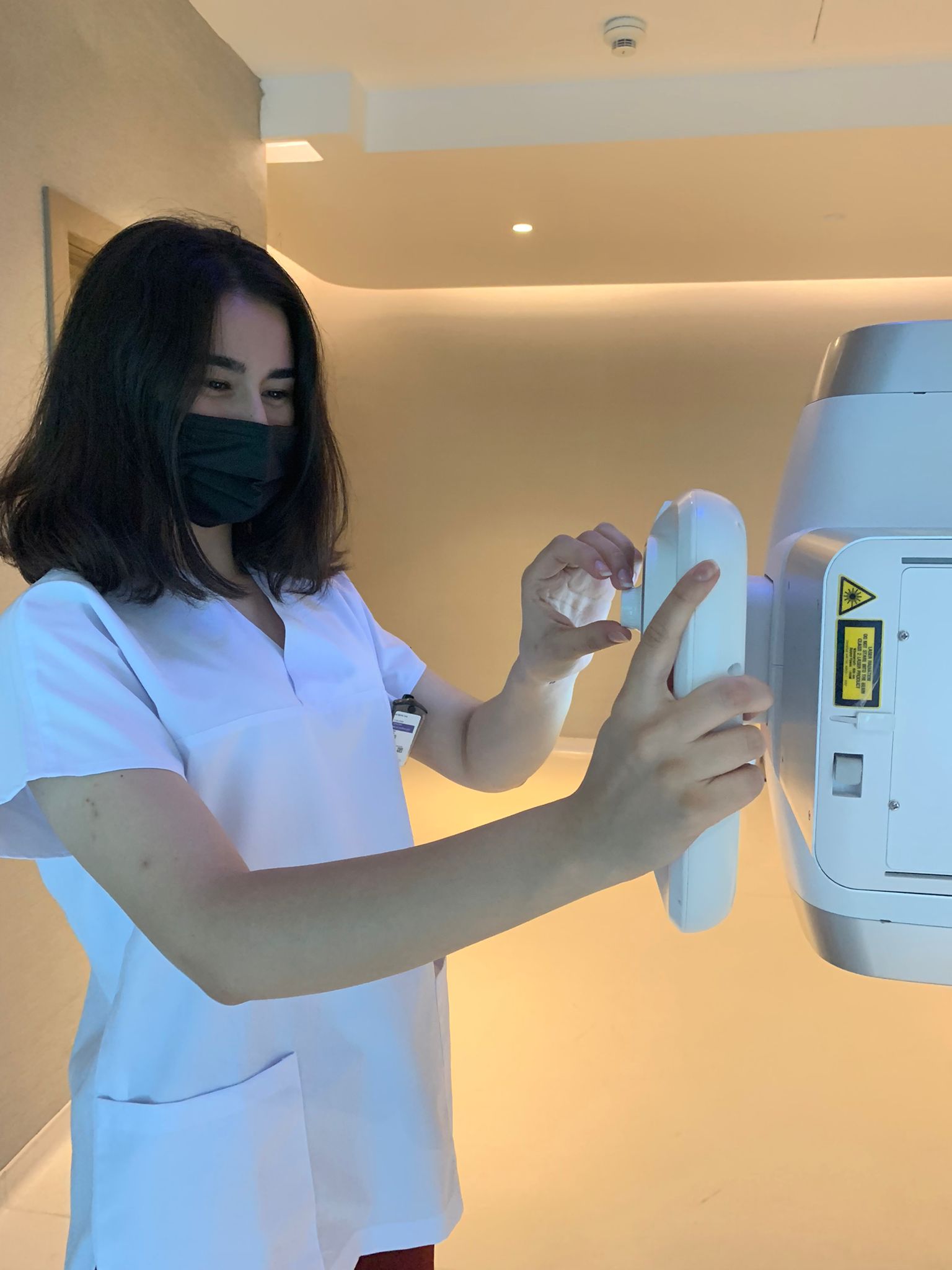
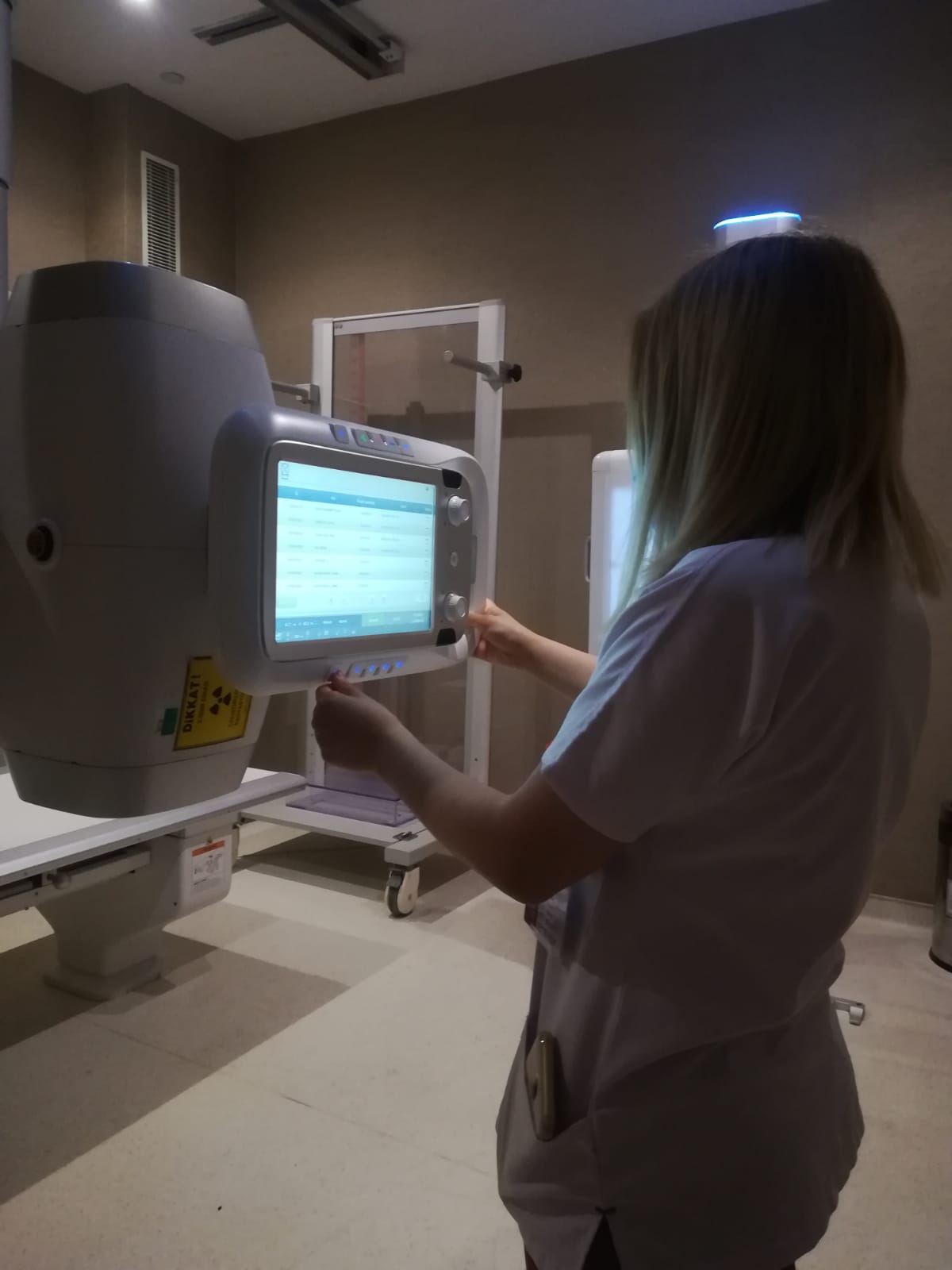
Caner KAYA
Medical Imaging Techniques,2024
Caner KAYA
Medical Imaging Techniques,2024