16/12/2024
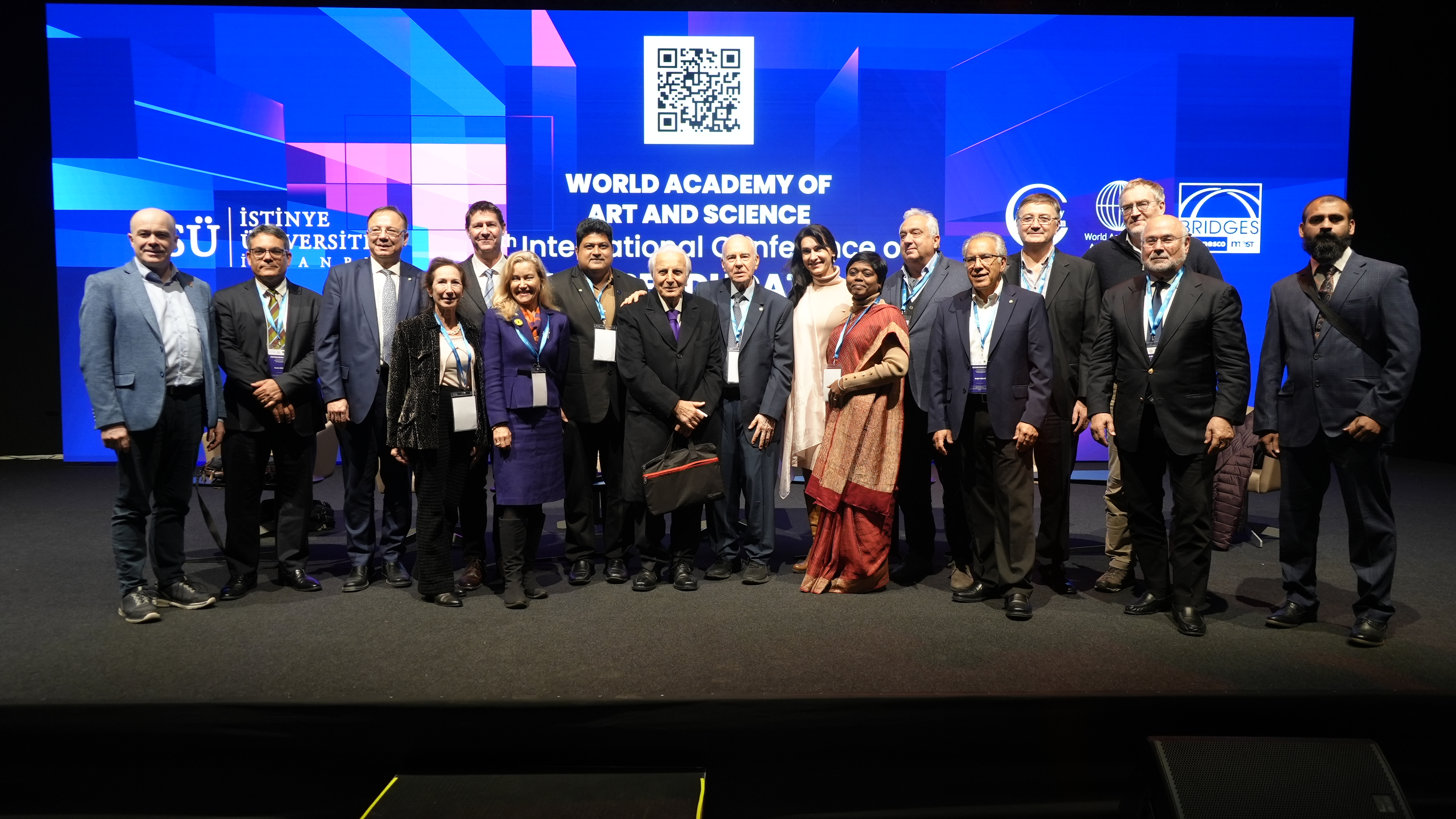
İstinye Üniversitesi, Dünya Sanat ve Bilim Akademisi WAAS ve Dünya Üniversite Konsorsiyumu iş birliği ile düzenlenen, 7. Uluslararası Geleceğin Eğitimi Konferansı’na ev sahipliği yaptı. “Geleceğin Eğitimi”nin konuşulduğu konferansa dünyanın saygın bilim insanları ve UNESCO yöneticileri katıldı. Üç gün süren konferansta alanında uzman isimler, insanlığın bugün karşı karşıya olduğu kritik zorluklarla başa çıkabilmek için ihtiyaç duyulan küresel eğitim sistemini masaya yatırdı.
İstinye Üniversitesi, 10-12 Aralık tarihleri arasında 7. Uluslararası Geleceğin Eğitimi Konferansı’na ev sahipliği yaptı. Dünya Sanat ve Bilim Akademisi WAAS ve Dünya Üniversite Konsorsiyumu iş birliği ile düzenlenen, Vadi Ana Yerleşke Kongre Merkezi’nde yüz yüze ve online webinar olarak gerçekleştirilen konferansa dünyanın saygın bilim insanları ve UNESCO yöneticileri katıldı. Üç gün süren etkinlikte Türkiye’den ve dünyanın farklı bölgelerinden katılımcılar çeşitli oturumlarda paylaşımda bulundu.
Geleceğin eğitimi güncel, evrensel ihtiyaçlara göre yeniden tasarlanıyor
“Geleceğin Eğitimi”nin masaya yatırıldığı oturumlarda, değerli konuşmacılar, mevcut küresel yükseköğretim sisteminin sınırlamalarını, güncel, evrensel ihtiyaçlara uygun yeni bir paradigma oluşturulması için gerekli nitelikleri tartıştılar. Oturum kapsamında, eğitimde çığır açacak yeni bir sistemi hayata geçirmek için mevcut olan fırsatlar, olanaklar ve somut adımlar değerlendirildi. Kadınların iş yerinde, topluluklarda ve küresel olarak liderlik pozisyonlarında karşılaştıkları sorunlara yönelik çözümleri ve gelecek vaat eden kadın liderlerin gelişimini teşvik etmek için gereken eğitim türü araştırıldı. Yapay zekâ, sanal ve artırılmış gerçeklik öğrenme sistemlerinin, geleneksel öğrenme yollarını tamamlamak ve geliştirmek için nasıl kullanılabileceği de konuşulanlar arasındaydı. UNESCO-MOST BRIDGES özel oturumu ise sosyal dönüşüm için yükseköğrenim ve yenilikte demokratikleşmeye odaklandı.
“Geleceğin Eğitimi için “Dünya Üniversitesi” kurulmalı”
“Dünya Üniversitesi” kavramı, Dünya bilim sanat akademisi Konferansı’nın ana odak noktaları arasında yer aldı. BM ile ortaklaşa tasarlanan projede, dünya çapında belirli üniversitelerde ortak bir müfredatı takip eden programların uygulanması planlanıyor. Günümüzde yapay zekâ ve teknolojik gelişmelerle birlikte, pedagojiden, içeriğe ve eğitimin sunum şekline kadar Dünya Üniversitelerini geliştirmek için daha çok olanak mevcut. Dünya Üniversitesi kavramının temel amacı, herkes için uygun maliyetli, kaliteli, kişiselleştirilmiş, disiplinler arası ve yaşam boyu erişilebilir eğitimin sağlanması olacak.
“Eğitim anlamla sonuçlanır, bu da bilgeliği oluşturur”
“Geleceğin Eğitimi Vizyonu” kapanış oturumunda konuşan İSÜ Tıp Fakültesi Dekanı Prof. Dr. Türker Kılıç, konuşmasında şu ifadelere yer verdi: “Bilinç, hayatın ve zihnin etkileşimlerinin bir tür fonksiyonudur. Bu yüzden eğitim anlamla sonuçlanır, bu da bilgeliği oluşturur. Süreç, merakla başlar, ardından bilgi toplanır, sonra bunun ne olduğunu öğreniriz, sonunda bu bir anlam yaratır. Bir bilgi okyanusunda yaşıyoruz ve zihin ile yaşam arasındaki etkileşim bilinci oluşturuyor. Bilimin yeni metodolojisi yaşamın temel taşının atom değil de enformasyon olduğu bilinci ile geliştirilmelidir. Yaşamın temel taşı olan bilgiye yaklaşımımız değiştiğinde geleceğin eğitimi şekillenecektir.”
Küresel Eğitimde İleri Araştırmalar Merkezi Profesörü ve Direktörü Iveta Silova yükseköğretimde gerekli olan dönüşümlere yönelik: “Mevcut yükseköğretim modeli, hızla değişen dünyanın taleplerine ayak uydurmakta zorlanıyor ve krizlere katkıda bulunarak doğal kaynakların ve insan kaynaklarının sömürüsünü meşrulaştırıyor. Yükseköğretim, yalnızca kırılanı tamir eden bir araç değil, yeni yollar yaratacak bir portal olarak düşünülmelidir; bu, paydaşların iş birliği içinde çalışacağı bir geleceği mümkün kılar." açıklamasında bulundu.
“En iyi öğrenme yöntemi, başkalarına öğretmekten geçer ve bu da, bilgiye en büyük katkıdır.”
Dünya Sanat ve Bilim Akademisi Başkanı Garry Jacobs, kapanış konuşmasında: “Eğitimdeki en büyük keşifler, akıl yoluyla değil, sezgi yoluyla elde edilir. Geleceği görmek, akıl için zordur; bu yüzden inanç ve kararlılık çok önemlidir. En iyi öğrenme yöntemi, başkalarına öğretmekten geçer ve bu da, bilgiye en büyük katkıdır.” ifadelerini kullandı.
WAAS Geleceğin Eğitimi Konferansı küresel eğitimin geleceğini şekillendiren oturumlarla zengin bir gelişim alanı açtı. Sermaye, teknoloji ve iş dünyasının sosyal rolü; bilim ve teknolojinin insan güvenliği ve sürdürülebilir kalkınmadaki yeri; kültürler arası anlayış ve doğruluk değerleri; yapay zeka ve geleneksel eğitimde bilgi etkileri; yükseköğretimde gelecek trendleri benzeri konular ele alındı.
“Gezegeni koruyabilmek için onu nasıl sevmeliyiz?”
Dünya Üniversite Konsorsiyumu Başkanı Ralph Wolff "Eğitimde yalnızca öğretilen dersler değil, bizi geleceğin profesyonelleri ve insanları olarak şekillendiren eğitimin kalitesi önemlidir. Konferans sonuçlanırken, aklımda kalan soru şu: Gezegeni koruyabilmek için onu nasıl sevmeliyiz?" ifadelerini kullandı.
“Küresel Yüksek Öğretimdeki Zorluklar ve Fırsatlar” oturumu ile başlayan konferans, “Geleceğin Eğitimi Vizyonu” konulu konuşmalarla sona erdi. Değerli bilim insanları, eğitimciler, araştırmacılar, politika oluşturucular ve düşünce liderleri, insanlığın karşı karşıya olduğu sorunların çözümü için buluştu. Küresel yükseköğretimde yeni bir paradigmayı teşvik etmek için somut çözümler önerildi. Dünya Sanat ve Bilim Akademisi konuşmacıları, bu yıl gerçekleştirilen Geleceğin Eğitimi Konferansı’nın kapsam ve nitelik anlamında bugüne kadar gerçekleştirilen en etkin çalışma olduğu vurgusuyla Üniversite’ye teşekkür etti.
İstinye University hosted the 7th International Conference on the Education of the Future, organized in collaboration with the World Academy of Art and Science (WAAS) and the World University Consortium. The conference, where "The Education of the Future" was discussed, was attended by renowned scientists and UNESCO officials from around the world. During the three-day event, experts in the field deliberated on the global education system needed to address the critical challenges humanity is currently facing.
Held from December 10-12, the conference took place at the Vadi Main Campus Congress Center with both in-person and online webinars. Participants from Turkey and various regions of the world contributed to different sessions throughout the event.
The Education of the Future is Being Redesigned According to Current, Universal Needs
During sessions focused on "The Education of the Future," esteemed speakers discussed the limitations of the current global higher education system and the necessary qualifications for creating a new paradigm that aligns with current universal needs. Opportunities, possibilities, and concrete steps to implement a groundbreaking new education system were evaluated. The challenges women face in leadership roles in workplaces, communities, and globally, and the type of education required to foster the development of promising female leaders, were also explored. Discussions included how artificial intelligence, virtual and augmented reality learning systems can complement and enhance traditional learning pathways. The UNESCO-MOST BRIDGES special session focused on democratizing higher education and innovation for social transformation.
"A 'World University' Should Be Established for the Education of the Future"
The concept of the "World University" was one of the main focuses of the World Academy of Art and Science Conference. In a project designed in collaboration with the United Nations, programs following a common curriculum in specific universities around the world are planned. With the advent of artificial intelligence and technological advancements, more opportunities exist to develop World Universities, improving everything from pedagogy to content and the way education is delivered. The primary goal of the World University concept is to provide affordable, high-quality, personalized, interdisciplinary, and lifelong accessible education for everyone.
"Education Leads to Meaning, and This Creates Wisdom"
In his speech at the closing session of "The Vision for the Education of the Future," Prof. Dr. Türker Kılıç, Dean of the Faculty of Medicine at İstinye University, stated: "Consciousness is a type of function of the interactions between life and the mind. This is why education leads to meaning, and this creates wisdom. The process starts with curiosity, then information is gathered, we learn what it is, and finally, this creates meaning. We live in an ocean of knowledge, and the interaction between the mind and life creates consciousness. The new methodology of science should be developed with the awareness that the cornerstone of life is not the atom but information. When our approach to knowledge, the cornerstone of life, changes, the education of the future will be shaped."
"Higher Education Must Create New Paths"
Iveta Silova, Professor and Director of the Center for Advanced Research in Global Education, commented on the necessary transformations in higher education: "The current higher education model is struggling to keep up with the demands of a rapidly changing world, contributing to crises and legitimizing the exploitation of natural and human resources. Higher education should not only be a tool for mending what is broken but a portal that will create new paths; this enables a future where stakeholders work in collaboration."
"The Best Way to Learn Is by Teaching Others, Which Is the Greatest Contribution to Knowledge"
In his closing speech, Garry Jacobs, President of the World Academy of Art and Science, said: "The greatest discoveries in education come not through reason but through intuition. Seeing the future is difficult for the mind; that is why belief and determination are so important. The best way to learn is by teaching others, and this is the greatest contribution to knowledge."
The WAAS Conference on the Education of the Future opened up a rich development area with sessions shaping the future of global education. Topics such as the social role of capital, technology, and business; the role of science and technology in human safety and sustainable development; intercultural understanding and values of accuracy; the effects of artificial intelligence and traditional education on knowledge; and future trends in higher education were discussed.
"How Should We Love the Planet in Order to Protect It?"
Ralph Wolff, President of the World University Consortium, stated: "In education, it's not just the lessons taught but the quality of education that shapes us as future professionals and humans. As the conference concludes, the question I am left with is: How should we love the planet in order to protect it?"
Starting with the session on "Challenges and Opportunities in Global Higher Education," the conference concluded with speeches on "The Vision for the Education of the Future." Renowned scientists, educators, researchers, policymakers, and thought leaders came together to find solutions to the problems humanity faces. Concrete solutions were proposed to promote a new paradigm in global higher education. WAAS speakers thanked the university, emphasizing that this year's conference was the most effective event in terms of scope and quality to date.