14/10/2026
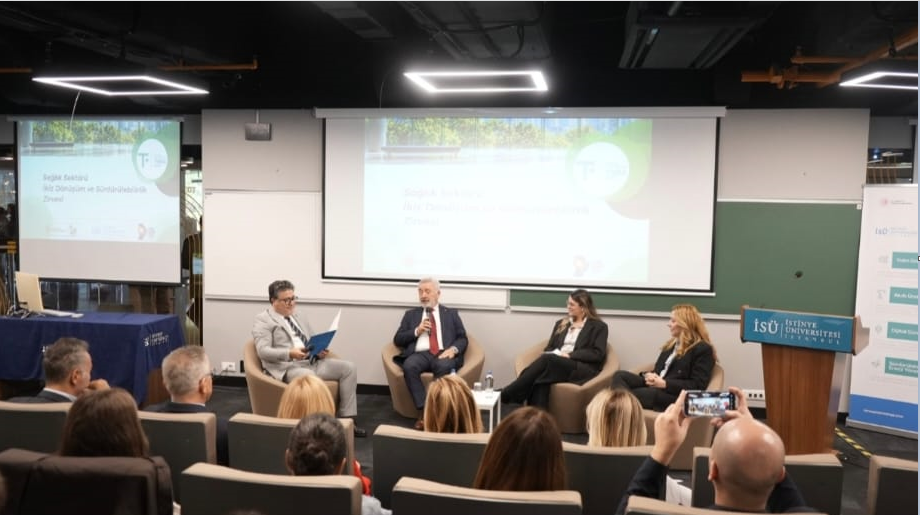
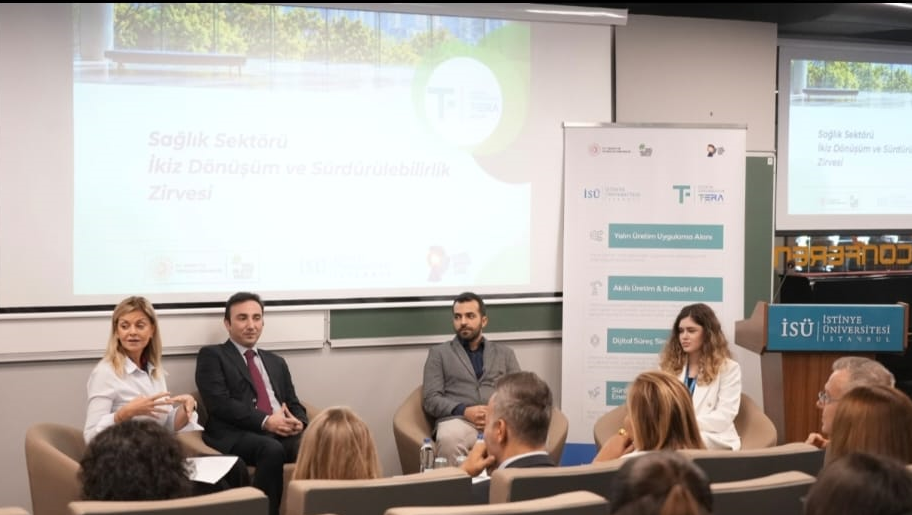
The “Twin Transformation, Lean Manufacturing and Sustainability Summit for the Healthcare Sector,” organized as part of a project supported by the Istanbul Development Agency, brought together academia and healthcare companies. Participating companies shared first-hand insights into their achievements and the challenges they encountered on their lean manufacturing and digitalization journeys.
Held as part of the “Twin Transformation and Sustainability Center” project, implemented by Istinye University’s TERA Center with the support of the Istanbul Development Agency (İSTKA), the summit took place on October 6, 2026, at the Conference Hall of Istinye University’s Vadi H Campus. Launched under the Local Development Initiative of the Republic of Türkiye’s Ministry of Industry and Technology, the project addresses digital and green transformation in the healthcare sector through a lean manufacturing approach.
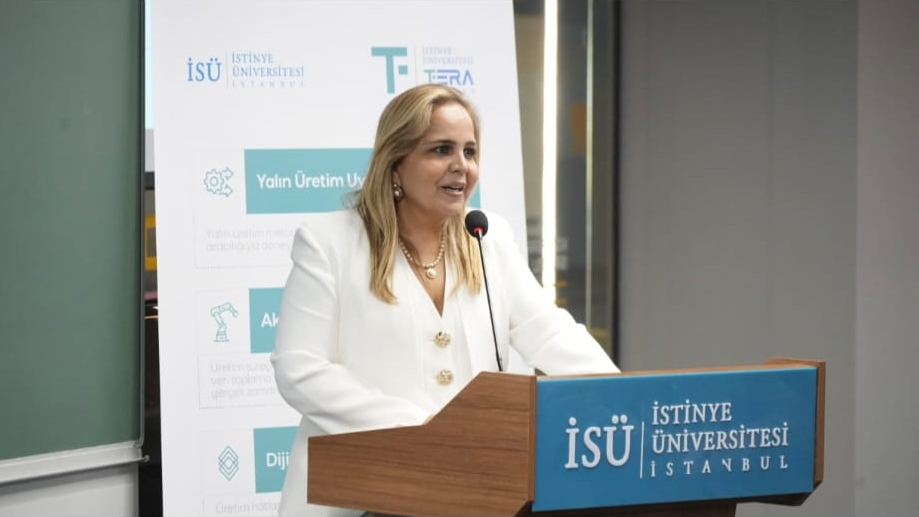
Opening Remarks
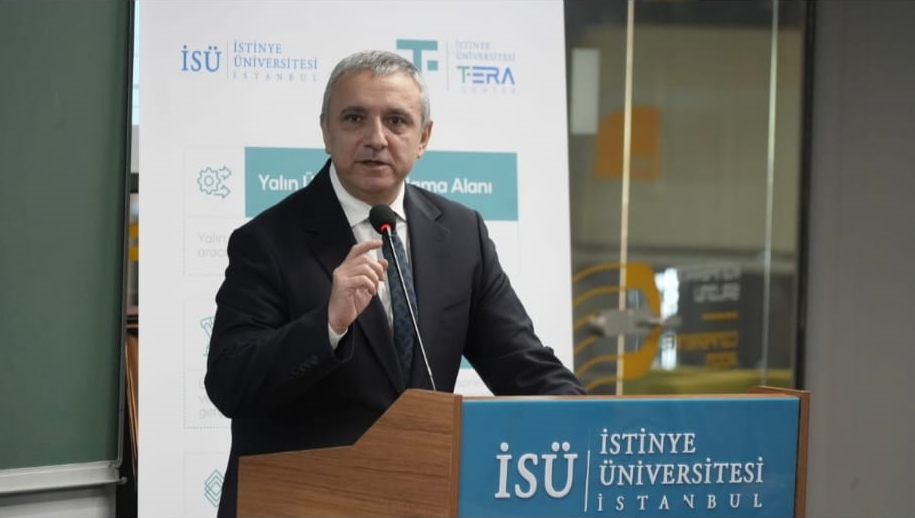
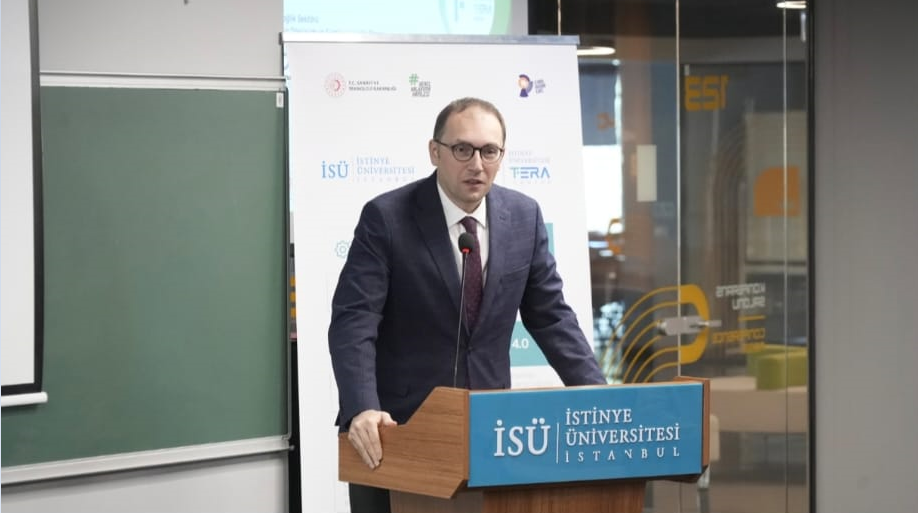
The opening remarks were delivered by Prof. Dr. Figen Yıldırım, Project General Coordinator and Dean of the Faculty of Economics, Administrative and Social Sciences; Prof. Dr. Bestami Özkaya, Vice Rector of Istinye University; and Dr. Ziya Taşkent, Board Member and Secretary-General of the Istanbul Development Agency.
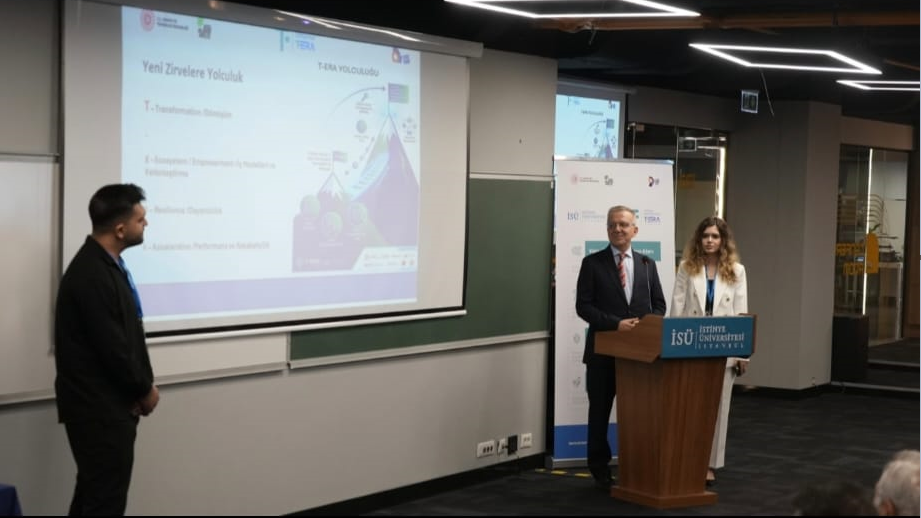
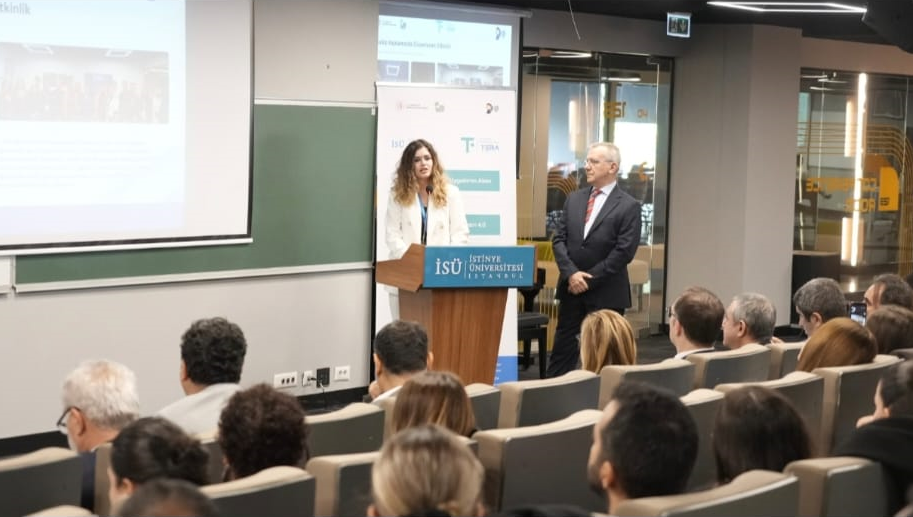
Following the opening remarks, Assist. Prof. Dr. Tayfun Utaş, T-ERA Project Coordinator, and representatives of the T-ERA Student Club briefed participants on company visits, training sessions, and webinars conducted throughout the project.
Companies Shared Their Transformation Experiences
The company sessions, held in two parts under the theme “Lean Manufacturing and Twin Transformation,” featured Plasti-Med Medikal Ürünler Ltd. Şti., Set Medikal San. ve Tic. A.Ş., İnterlab Laboratuvar Ürünleri A.Ş., Pievision Teknoloji Yazılım A.Ş., and AdamTech Teknoloji A.Ş. Key takeaways from the sessions are summarized below:
- İnterlab: During the project, a data model was established to distinguish value-added activities from non-value-added activities across processes. Applying lean principles, the company reduced its product variety from approximately 700 to 400, thereby decreasing inventory levels, storage requirements, and transfer-related workload. The implementation of 5S practices also transformed the way employees viewed and organized the shop floor.
- Set Medikal: The company emphasized that the medical device industry must achieve international standards comparable to those of the pharmaceutical industry. It also highlighted how the project helped create opportunities to transform employees’ resistance to change into a willingness to embrace change.
- Plasti-Med: The company reported increased awareness of lean manufacturing, the launch of new projects in collaboration with academics, and plans to pursue further initiatives through programs such as TÜBİTAK 1505 and 1711. It defined its sustainability goal as manufacturing the same product with less water while maintaining the same scrap rate.
- AdamTech: As a newly established medical device company, AdamTech explained that it had worked closely with the project team from the outset. Through this process, the company gained insights into lean manufacturing, 5S, KANBAN, and the importance of data. It also shared plans to transition to a U-shaped production layout to improve operational efficiency.
- Pievision: The company noted that projects of this kind provide young teams operating in digital health and the Internet of Things (IoT) with a broader vision and highlight the value of multidisciplinary collaboration. It also observed that newly established companies can often implement transformation initiatives more rapidly than long-established organizations.
Shared Priorities: Financing, Skilled Workforce, and Digital Competencies
The common challenges identified by participating companies included access to financing for automation and digitalization investments, shortages of qualified personnel, resistance to change among employees and managers, and the adoption of artificial intelligence tools.
The companies expressed their expectations that the university would continue its field-based collaboration with industry, that the experience accumulated throughout the project would be transformed into an ecosystem capable of guiding other companies seeking to embark on similar journeys, and that support for digital transformation would continue.
The summit concluded following the closing session. Activities carried out with participating companies under the project are expected to continue in line with the needs and priorities identified during the summit.